
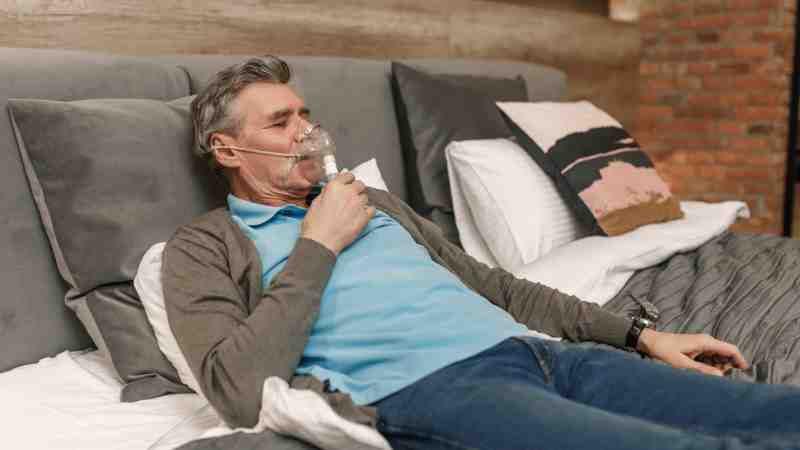
It is necessary to get sufficient good sleep as a way of being healthy and in the usual sense of the word. Nevertheless, the obstructive sleep apnea patients normally report frequent pauses of their breathing throughout the night. This may result in inadequate sleep, fatigue during the day, headache and lack of concentration. This condition is often treated with the use of CPAP machines which help to keep the airway open whilst asleep by delivering stable stream of pressurised air.
Various models with options to pick masks and features to enhance comfort, it is possible to find the perfect equipment that can benefit the whole treatment process. It can be beneficial to know how these machines operate and what to consider before buying any of them to make informed choices.
What are CPAP Machines?
CPAP is an acronym that refers to Continuous Positive Airway Pressure. A CPAP machine is a medical equipment meant to assist individuals with the obstructive sleep apnea to be able to breathe during sleep more regularly.
The machine pumps pressurised air using a flexible tubing to a mask. The airflow prevents the upper airway collapse, which result in fewer interruptions of breathing during the night.
The majority of CPAP machines have three primary parts:
- The machine: Modulates and controls the pressurised airflow.
- The tubing: The tubing transports air that comes out of the machine to the mask.
- The mask: Sends air to the nose, to the mouth or both eyes, depending on its construction.
Other features that may be found in modern CPAP machines include automatic pressure adjustment, humidification and digital therapy monitoring.
Different Types of CPAP Machines
All CPAP devices do not operate in exactly the same manner. There are various models that can be used to fit into different treatment needs.
- Fixed-Pressure CPAP Machines
These machines provide constant pressure that is prescribed during the night. The pressure level is defined by medical examination or a sleep test.
A fixed-pressure device is typically easy to use and may fit individuals with the treatment needs that are more or less constant.
- Automatic CPAP Machines (APAP)
APAP machines are devices that regulate the pressure of the airflow in a set range with the breathing pattern of the user.
This enables the machine to react to altered pressure demands when sleeping. People who require greater adaptability in delivering pressure are likely to prefer automatic models.
- Travel CPAP Machines
Travel CPAP machines are used by individuals who travel a lot and spend the night out of home. They tend to be smaller and lighter in comparison to normal bedside devices.
Other models have waterless humidification, phone connectivity, and the ability to add external battery accessories.
- BiPAP Machines
The types of pressure available in BiPAP machines include two levels one inhalation and the other one exhalation.
They are applied in some respiratory conditions and definite sleep disorders associated with breathing. Bilevel therapy can be suggested in contrast to standard CPAP therapy because of the necessity of some additional assistance in breathing.
Important Features to Consider When Choosing a CPAP Machine
The choice of a proper machine implies contrasting a number of features instead of focusing on its costs or the looks.
- Automatic Pressure Adjustment: Automatic models have the ability of modifying pressure to breathing pattern within preset parameters.
- Humidification: Moisture is introduced by humidifiers which are turned on during the night and this can help eliminate dry throat and nose.
- Mask Compatibility: Various machines are compatible with different types of masks. The user must check the compatibility of their preferred nasal mask, nasal pill or full face mask.
- Noise Levels: A less noisy machine would enable the user to have sleep in a comfortable environment in company of his or her sleeping partner.
- Data Tracking: A number of new devices capture therapy data, such as usage hours and mask leak data. Others also have connectivity to smartphones.
- Comfort Settings: Ramp settings, and expiratory pressure relief allow new users to select more easily to adjust to therapy.
Benefits of Using CPAP Machines
Regular CPAP treatment is effective to deal with breathing blocks that occur because of obstructive sleep apnea.
Among the key results is better sleep continuity. The machine can decrease the awakening by breathing-related awakening at night by assisting in keeping the airways open.
Frequent administration could also contribute to the minimization of excessive drowsiness, as well as enhancement of concentration. Others observe an increase in the level of their energy after getting used to the prescribed therapeutic therapy.
The other benefit is that new devices have various comfort features, so users can establish a regular treatment regimen with ease.
Nevertheless, the outcomes rely on the proper settings, appropriate mask wearing and frequent usage.
Tips for Maintaining CPAP Equipment
To maintain CPAP equipment in a good state, cleaning and taking care of them is crucial.
- Wash the mask as per instructions of the manufacturer.
- Clean and dry reusable tubing according to recommendations.
- Wash the water tank of the humidifier.
- Change filters as required.
- Check the mask cushion, and the tubing to check wear.
- Keep the machine in a clean, dry and a well-ventilated place.
Routine cleaning may also allow the build up of dirt to be avoided and problematic parts detected before they influence therapy.
How to Choose the Right CPAP Machine
Users must take into account their diagnosis, prescriptions and pressure settings, comfort preferences, and sleep habits before they need to buy a machine. It is significant that a sleep specialist or health care provider will consult you regarding a device since not every device can fit every patient.
You can also compare warranty cover, replacement parts, maintenance needs and customer care, amongst others.
Conclusion
CPAP machines can be vital to the treatment of obstructive sleep apnea and serving as an aid in assisting breathing during sleep. They come in the form of fixed-pressure and automatic devices to more compact travel models to fit the specific treatment needs. Being aware of their characteristics, choosing an appropriate mask and taking care of the equipment will make nightly therapy more comfortable. On the one hand, the CPAP therapy can be successfully included in the long- term sleep health routine with professional advice and regular use.