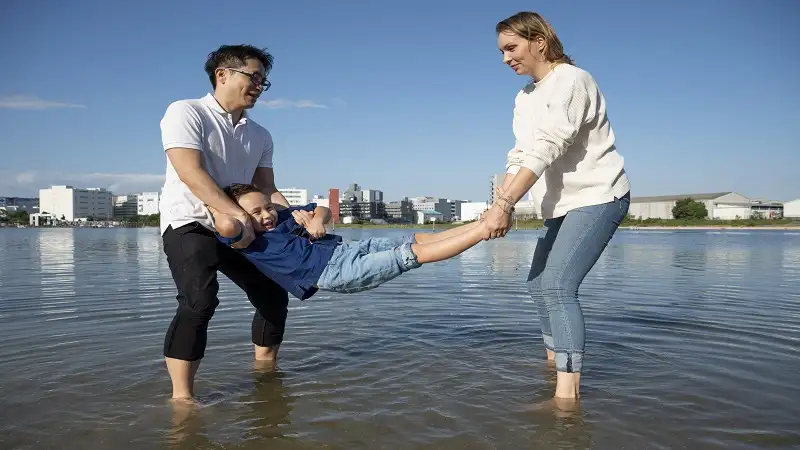
Healing from trauma and managing daily stress are deeply personal journeys, and each individual finds comfort in different forms of support. While therapy, mindfulness, and community care all play important roles, physical activities can also be powerful tools for emotional recovery. Among these, swimming stands out as a calming and restorative practice that nurtures both the body and the mind.
Water has long been associated with peace, renewal, and emotional release. The gentle sensation of floating, the rhythm of breath, and the soothing sound of water create an environment that feels safe and grounding. For many people, spending time in water becomes more than exercise — it becomes a place of quiet reflection, release, and healing.
This article explores how swimming can support trauma recovery and provide meaningful stress relief, offering a sense of comfort, balance, and emotional strength over time.
The Connection Between Water and Emotional Calm
There is something naturally comforting about being in water. From childhood memories of play to the calming effect of a warm bath, water often brings a sense of ease. This emotional connection plays a significant role in recovery. When someone has experienced trauma, the nervous system can remain in a state of alertness for long periods. The calming environment of water helps signal to the body that it is safe to relax.
Floating or moving gently through water can create a sense of weightlessness, which reduces physical tension. This lightness often translates into emotional relief. The body no longer feels as heavy or burdened, allowing the mind to quiet down as well.
For individuals carrying stress or emotional pain, even a short time spent in water can provide a pause from overwhelming thoughts. The consistent motion and sensory experience help bring attention back to the present moment.
Rhythmic Movement Encourages Emotional Release
One of the most powerful aspects of water-based exercise is the rhythm it creates. The repeated strokes, steady breathing, and consistent pace form a natural pattern that calms the mind. These movements can feel almost meditative, helping people disconnect from intrusive thoughts and reconnect with their bodies.
Trauma often leaves people feeling disconnected or out of sync with themselves. Gentle, repetitive motion can help rebuild that connection. When someone focuses on breathing and movement, the mind slowly shifts away from stress and into a state of calm concentration.
Over time, this practice can become a safe space where emotions are processed without pressure. Some people find that their best reflections happen in the quiet moments while moving through water. The act of swimming becomes not just physical activity but a way to release tension stored deep within.
Reducing Stress Through Physical Relaxation
Stress affects the body in many ways. Muscles tighten, breathing becomes shallow, and sleep patterns may suffer. Water-based exercise can help counter these effects by encouraging full-body relaxation.
When the body is supported by water, pressure on joints and muscles decreases. This allows for gentle movement without strain, making it ideal for people who may feel physically tense due to stress or emotional strain. The body begins to loosen naturally, and as physical tension reduces, emotional stress often follows.
Breathing also improves during swimming. Slow, controlled breaths help regulate the heart rate and bring the nervous system into a calmer state. This controlled breathing pattern can help reduce feelings of anxiety and promote a sense of stability.
Even after leaving the water, many people report feeling lighter, calmer, and more focused. These effects can last for hours, making it easier to handle daily challenges with a clearer mind.
Rebuilding a Sense of Control
Trauma can make people feel as though they have lost control over their lives. Rebuilding that sense of control is an important part of healing. Physical activities that allow individuals to set their own pace and track their progress can help restore confidence.
Swimming offers a flexible and personal experience. There is no pressure to compete or perform. Some people prefer slow, relaxing laps, while others enjoy floating quietly or simply moving gently in the water. This freedom to choose how to engage creates a sense of ownership and independence.
Small achievements, like staying in the water longer or feeling more comfortable with each visit, can build confidence over time. These victories may seem simple, but they can have a strong emotional impact. They remind individuals that growth is possible and that healing happens step by step.
A Safe Space for Mindfulness
Mindfulness is a well-known practice for managing stress and trauma, and water provides an ideal setting for it. The sound of water, the feeling of movement, and the focus on breathing help anchor attention in the present moment.
In the water, distractions fade away. There are fewer interruptions, and the mind naturally begins to slow down. This peaceful environment can help people step away from worries about the past or future.
Focusing on each stroke, each breath, and each movement can feel grounding. It helps bring awareness back to the body, which is especially helpful for those who feel disconnected from their physical selves after difficult experiences.
With regular practice, these mindful moments can extend into daily life. People may notice that they feel calmer in stressful situations and better able to manage emotional triggers.
Gentle Social Connection
Isolation is a common experience for people dealing with trauma or chronic stress. Being around others in a relaxed setting can help rebuild a sense of connection without pressure.
Pools and water centers often provide a quiet shared space where people can be around others without needing to interact directly. This balance can feel comforting. It allows individuals to feel part of a community while still having their personal space.
For some, joining a group class or attending regular sessions helps create a routine. Over time, familiar faces and shared environments can bring a sense of belonging and comfort. Even simple smiles or small conversations can slowly rebuild trust in social connections.
Supporting Sleep and Emotional Balance
Good sleep is essential for emotional recovery, but stress and trauma often make it difficult to rest. Physical activity can help regulate sleep patterns by reducing restlessness and releasing built-up energy.
Time spent in water often leaves the body pleasantly tired and relaxed. This type of gentle fatigue can make it easier to fall asleep and stay asleep. Better sleep leads to improved mood, clearer thinking, and increased resilience.
Emotional balance also improves when stress levels decrease. Regular sessions of swimming can help stabilize mood, reduce irritability, and promote a more positive outlook. While it is not a replacement for professional care, it can be a meaningful addition to a healing routine.
Creating a Personal Healing Ritual
One of the most powerful aspects of this activity is its ability to become a personal ritual. Having a dedicated time and place to unwind and reflect can bring comfort and structure to life.
Whether it’s a quiet morning session or a calming evening routine, the experience can become a moment of peace in an otherwise busy world. This consistency helps create a sense of safety and predictability, which is especially important for those recovering from emotional pain.
Over time, stepping into the water can become a signal to the mind that it is time to relax and let go. This repeated experience strengthens the connection between water and calmness, making each session more meaningful.
A Gentle Path Toward Healing
Recovery from trauma is not a straight path, and there is no single solution that works for everyone. Healing takes patience, support, and self-compassion. Physical activities that nurture both body and mind can play a valuable role in this process.
Swimming provides a space where people can move at their own pace, reconnect with themselves, and find moments of peace. The soothing nature of water, combined with steady movement and mindful breathing, helps reduce stress and create emotional balance.
For many, it becomes more than exercise — it becomes a sanctuary. A place to breathe, to reflect, and to slowly rebuild strength from the inside out. While the journey may take time, each gentle step forward brings a renewed sense of hope, calm, and resilience.