Workplaces today are evolving rapidly, with organizations investing in technology, infrastructure, and employee well-being to build productive environments. Yet, one critical element often overlooked in safety planning is emergency preparedness. Accidents, medical emergencies, and unexpected health incidents can occur anywhere — from office cubicles and factory floors to meeting rooms and break areas. In these moments, immediate response matters more than anything else. That is where CPR and first aid training become powerful tools for building safer, more responsive workplaces.
A workplace that prioritizes health and safety sends a strong message: people matter. When employees feel secure, they perform better, trust leadership more, and contribute positively to the work environment. CPR and first aid training not only equip staff with life-saving skills but also create a culture of responsibility, readiness, and care.
Why Workplace Emergencies Demand Preparedness
Medical emergencies can happen without warning. A colleague may collapse due to cardiac arrest, someone could choke during lunch, or a minor injury could escalate without proper care. The first few minutes after an emergency are critical. Immediate action can mean the difference between recovery and tragedy.
Emergency medical services are essential, but response time varies. In many cases, the people present at the scene — coworkers — become the first responders. If they know what to do, they can stabilize a situation until professional help arrives. If they don’t, panic and uncertainty can delay action.
CPR and first aid training empower employees to take control in those crucial moments. They learn how to assess a situation, provide immediate care, and remain calm under pressure. These skills transform ordinary individuals into capable responders who can protect lives.
Building a Culture of Responsibility
Safety is not just about policies and procedures. It’s about mindset. When a workplace invests in training its employees, it creates a shared sense of responsibility. Team members begin to look out for each other in ways that go beyond job roles.
Employees trained in CPR and first aid become more aware of their surroundings. They recognize hazards, act quickly during accidents, and encourage safe behavior among colleagues. Over time, this awareness reduces workplace incidents and improves overall safety standards.
This kind of environment fosters teamwork and empathy. Knowing that coworkers are prepared to help in emergencies creates a feeling of trust and comfort. It turns a workplace into a community where people care about one another’s well-being.
Confidence in Critical Moments
One of the most powerful outcomes of CPR and first aid training is confidence. Emergencies often bring fear and hesitation. Without training, people may worry about doing something wrong or making the situation worse. With proper knowledge, that hesitation disappears.
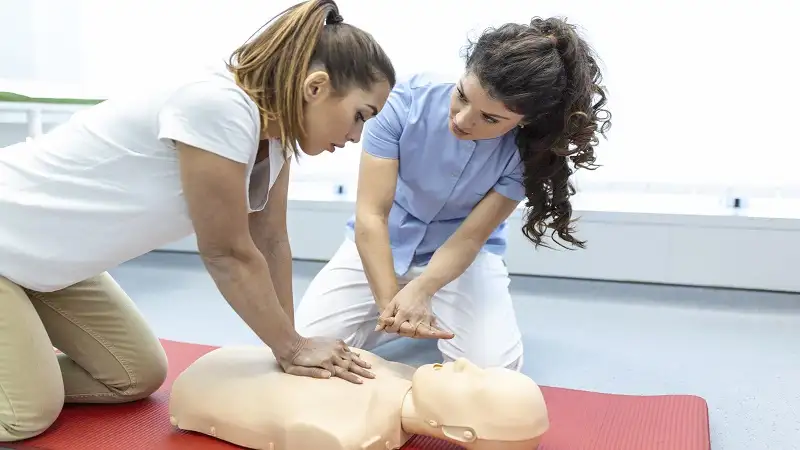
Trained employees know how to respond step by step. They can check for breathing, perform CPR, stop bleeding, or assist someone who is choking. They are taught to remain calm, focused, and supportive.
This confidence does not just help in the workplace. It carries into everyday life. Employees may use their skills to help family members, friends, or strangers in public spaces. The impact of training reaches far beyond the office.
Reducing Workplace Risks and Liability
From a business perspective, safety training is a wise investment. Accidents and medical emergencies can lead to serious consequences, including injuries, lost productivity, and potential legal concerns. By ensuring employees are trained, organizations demonstrate a proactive commitment to safety.
Having trained individuals on-site means quicker response times, which can reduce the severity of injuries. This can lead to fewer lost workdays, lower healthcare costs, and improved morale.
Employers who incorporate programs such as corporate CPR training into their safety strategies are not just meeting basic compliance standards; they are strengthening their workplace protection systems. These programs help create structured response plans that can be activated immediately during emergencies.
Strengthening Team Dynamics
Training sessions often bring employees together in ways that regular work does not. During CPR and first aid workshops, people practice scenarios, collaborate, and support one another while learning new skills. These shared experiences help build stronger connections.
Employees begin to see each other as partners in safety, not just coworkers. This sense of unity can improve communication and teamwork across departments. When people feel connected, they are more likely to act quickly to help one another during emergencies.
Moreover, participating in training encourages leadership at all levels. Some employees naturally step into guiding roles, helping others learn and practice techniques. This creates a ripple effect of confidence and cooperation.
Preparing for a Wide Range of Emergencies
First aid training covers more than just CPR. It equips employees to handle various situations, including burns, cuts, fractures, allergic reactions, and fainting. This broad knowledge base makes workplaces more prepared for everyday incidents.
For example, in a manufacturing setting, quick response to cuts or injuries can prevent complications. In office environments, recognizing signs of stress-related health issues can lead to timely support. In customer-facing roles, trained staff can assist visitors or clients during emergencies.
Preparedness does not eliminate risks entirely, but it significantly improves outcomes. A trained team can manage situations effectively, prevent panic, and ensure help is provided immediately.
Encouraging Employee Well-Being
When organizations offer safety training, they show that they genuinely care about their people. This builds loyalty and satisfaction among employees. Workers feel valued when their health and safety are taken seriously.
Training programs also encourage individuals to think about their own well-being. They become more aware of health risks, stress levels, and personal safety habits. This awareness can lead to healthier lifestyle choices and better self-care.
In many ways, CPR and first aid training act as a reminder that every individual plays a role in creating a safer environment. It encourages people to take responsibility for themselves and others.
A Practical Step Toward Safer Workplaces
Creating a safer workplace does not always require major investments. Sometimes, the most effective solutions are practical and people-focused. Training employees to respond to emergencies is one of the simplest and most impactful steps an organization can take.
Programs that include corporate CPR training can be tailored to suit different industries and workplace sizes. Whether it’s a small office or a large company, having trained responders available makes a real difference.
Regular refresher sessions ensure that skills remain sharp and up to date. Over time, safety becomes a natural part of workplace culture rather than an occasional concern.
Looking Ahead
Workplaces will continue to evolve, but the importance of safety will remain constant. As organizations strive to create supportive environments, emergency preparedness should be a key priority. CPR and first aid training are not just about responding to accidents — they are about creating a culture of care, awareness, and readiness.
When employees know they can rely on each other in times of need, it transforms the workplace into a safer and more compassionate space. It strengthens bonds, builds confidence, and ensures that help is always close at hand.
In the end, the value of these skills cannot be measured only in policies or productivity. Their true impact is seen in the moments when a trained individual steps forward, takes action, and helps save a life.