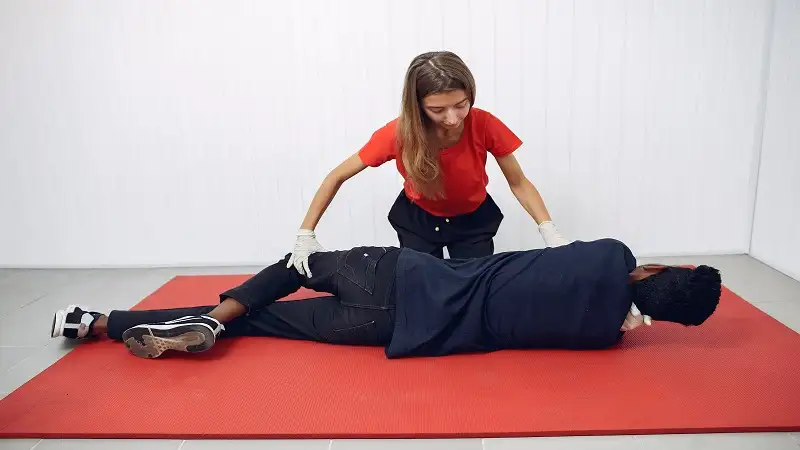
In the world of sports and physical training, energy, passion, and discipline often take center stage. Coaches and sports instructors are admired for their ability to motivate athletes, build resilience, and push individuals toward better physical performance. However, beyond skill development and strategy, there is another responsibility that carries immense importance—ensuring safety. Emergencies can happen at any time on the field, in the gym, or during practice sessions. This is why CPR certification is not just an additional qualification; it is a crucial life-saving skill every coach and sports instructor should possess.
Sports environments are unpredictable. Athletes push their bodies to the limit, sometimes beyond it. While physical activity brings countless benefits, it also increases the risk of injuries, sudden cardiac events, breathing difficulties, and accidents. In these moments, the presence of someone trained in CPR can mean the difference between life and death.
The Reality of Sports-Related Emergencies
From school playgrounds to professional stadiums, sports-related incidents can occur without warning. Athletes may collapse due to dehydration, heatstroke, heart conditions, or physical impact. Even young, seemingly healthy individuals are not immune to sudden cardiac arrest. When such situations occur, immediate action is essential.
The first few minutes after a cardiac emergency are critical. Brain damage can begin within four to six minutes without oxygen. Emergency medical teams may take longer to arrive, especially in outdoor or remote training areas. In those precious moments, a CPR-certified coach becomes the first responder.
Knowing how to perform CPR helps maintain blood flow and oxygen supply to vital organs until professional help arrives. This quick response can significantly improve survival chances and recovery outcomes.
A Coach’s Role Goes Beyond Training
Coaches and sports instructors are not just teachers of physical skills. They are mentors, guardians, and role models. Parents trust them with their children. Teams rely on them for guidance and protection. Being CPR certified reflects a deeper commitment to the well-being of those under their care.
When an emergency happens, panic can spread quickly. Athletes, spectators, and fellow staff may freeze or not know what to do. A CPR-certified coach can take charge, stay calm, and provide immediate assistance. This leadership during crisis moments builds trust and confidence among team members and their families.
It also sends a powerful message: safety is as important as performance.
Building a Safer Training Environment
Every sports environment should prioritize safety measures. While equipment checks, warm-up routines, and hydration breaks help prevent injuries, they cannot eliminate all risks. CPR certification adds an extra layer of preparedness.
When coaches and instructors are trained in emergency response, they can:
- Recognize early warning signs of distress
- Act quickly and correctly in life-threatening situations
- Support injured athletes until medical professionals arrive
- Reduce the chances of severe outcomes
A prepared coach creates a secure atmosphere where athletes feel protected. This sense of safety allows players to focus on their training without fear.
Confidence in Critical Moments
Emergencies are intense and emotional. Without proper knowledge, people often hesitate, afraid of making mistakes. CPR training removes that hesitation. It provides step-by-step guidance on how to respond effectively.
A certified instructor knows how to check breathing, perform chest compressions, and assist someone who is unresponsive. This confidence leads to faster action, which is vital when every second counts.
The knowledge gained from CPR training stays with a person for life. Even outside the sports field, these skills can help save a family member, a friend, or a stranger in need.
Protecting Athletes of All Ages
Coaches work with people across different age groups, from children to adults. Each group has its own vulnerabilities. Young athletes may not always recognize when something is wrong with their bodies. Older participants may have underlying health conditions.
In both cases, being CPR certified ensures that instructors are prepared to respond to unexpected situations. Whether it’s a child who collapses during a game or an adult who experiences a medical emergency during training, quick action can prevent tragedy.
The ability to respond immediately provides peace of mind to parents, organizations, and athletes themselves.
Professional Responsibility and Credibility
In today’s world, professionalism in sports goes beyond skill and experience. Safety awareness is now an essential part of a coach’s profile. CPR certification demonstrates dedication, responsibility, and readiness to handle emergencies.
Sports academies, schools, and fitness centers increasingly value staff who are trained in life-saving techniques. It adds credibility and shows that the instructor takes their role seriously.
In competitive environments where many instructors offer similar training, CPR certification can also set a coach apart. It highlights a commitment to care, preparation, and leadership.
The Emotional Impact of Being Prepared
Imagine witnessing a medical emergency and not knowing how to help. The feeling of helplessness can stay with a person for years. On the other hand, being able to step in and assist can be deeply empowering.
Many coaches who are CPR certified report feeling more confident in their roles. They know they are prepared not just to teach, but to protect. This sense of readiness reduces anxiety and allows them to focus fully on guiding their athletes.
Even if CPR is never needed, having the skill provides reassurance. It means being ready for the unexpected.
Creating a Culture of Safety
When one coach becomes CPR certified, it often encourages others to follow. Over time, this builds a culture of safety within the sports community. Teams become more aware, organizations become more responsible, and environments become more secure.
Some training programs also introduce basic awareness sessions for athletes, helping them recognize signs of distress in teammates. While they may not perform CPR themselves, knowing when to call for help can make a difference.
Access to reliable CPR training resources makes it easier for coaches and sports instructors to learn these essential skills. With flexible learning options and updated techniques, gaining certification is more accessible than ever.
A Skill That Extends Beyond the Field
The importance of CPR knowledge is not limited to sports settings. Coaches often interact with athletes in multiple environments—competitions, travel, camps, and community events. Emergencies can occur anywhere.
A CPR-certified coach carries a life-saving skill wherever they go. This preparedness becomes part of their identity. It reflects a commitment to helping others and being ready to act in difficult moments.
Over time, the value of this training becomes clear. It’s not just about responding to emergencies—it’s about taking responsibility for the well-being of others.
Staying Updated and Informed
Like any other skill, CPR techniques evolve. Regular refresher courses help keep knowledge sharp and aligned with current guidelines. By staying connected to trusted CPR training resources, coaches can maintain their confidence and effectiveness in handling emergencies.
This ongoing learning also shows athletes and parents that safety remains a top priority. It reinforces trust and strengthens the bond between instructors and the people they guide.
A Lifesaving Investment
Becoming CPR certified does not require a huge investment of time, but the impact can be life-changing. For coaches and sports instructors, it’s one of the most valuable skills they can add to their professional toolkit.
It transforms them from trainers into protectors. It prepares them for moments that truly matter. And it ensures that when an emergency arises, they are ready to act without hesitation.
In sports, winning and losing are part of the journey. But when it comes to health and safety, every life matters. CPR certification empowers coaches to stand strong in critical moments, offering not just guidance and motivation, but the ability to save a life when it counts the most.