Ever wondered why some health rules suddenly change overnight… like masks, vaccines, or even what shows up in hospital priorities? It can feel random, right? One day things are calm, next day policies flip. Confusing. Frustrating. A bit scary too.
Behind all that chaos, there’s something quietly working in the background. Data. Tons of it. Way more than anyone can actually sit and read. And somehow, that messy pile of numbers is shaping decisions that affect millions of lives.
Let’s break it down in a way that actually makes sense.
The Quiet Power Behind Big Data
Big data sounds like one of those buzzwords people throw around without meaning. But really, it’s simple. It’s just huge amounts of information collected from hospitals, apps, labs, wearables, even social media sometimes.
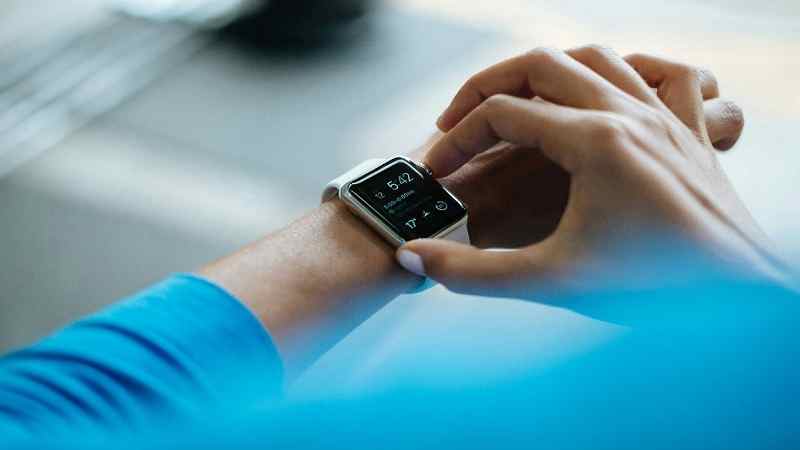
Think about it. Every time someone visits a clinic, gets a test, tracks steps on a smartwatch… that’s data.
Now imagine millions of people doing that every single day. That’s where it gets big.
Public health officials look at this mountain of information to spot patterns. Are more people getting sick in one area? Is a disease spreading faster than expected? Are treatments working or failing?
Instead of guessing, they can see what’s actually happening.
But here’s the tricky part. Data isn’t clean. It’s messy. Incomplete. Sometimes wrong. So decisions aren’t always perfect. That’s where the frustration creeps in. Why didn’t they act sooner? Why did they overreact?
Still, without data, it would be pure guesswork. And that’s worse.
Why Education Around Data Actually Matters
Here’s something that often gets overlooked. Who is actually reading all this data? Who makes sense of it?
It’s not just doctors anymore.
There’s a growing need for people who understand both health and data. That’s why healthcare analytics degree programs are becoming more relevant. Not flashy. Not exciting at first glance. But necessary.
Because someone has to connect the dots.
Raw numbers don’t mean much on their own. Someone needs to translate them into real actions. Should a city prepare more hospital beds? Should vaccines be moved to a specific area? Should schools stay open?
Without trained people, data just sits there. Useless.
And honestly, this gap shows. Sometimes policies feel slow or disconnected. That’s often because there aren’t enough skilled people to process the information quickly.
Education fills that gap. Slowly. Not perfectly. But it helps.
Faster Decisions… But Not Always Better Ones
One big advantage of big data? Speed.
In the past, collecting health information took weeks or months. Now, it can happen almost in real time. That means decisions can be made faster.
Sounds great, right? Well… not always. Fast decisions can still be wrong.
Data can show trends, but it doesn’t always explain why something is happening. And when leaders rush, mistakes happen. Lockdowns that come too late. Or too early. Resources sent to the wrong places.
It’s frustrating to watch.
But at the same time, waiting too long can cost lives. So there’s this constant tension. Move fast or move carefully? Trust the data or question it? There’s no easy answer.
Still, big data gives a starting point. Without it, there wouldn’t even be a direction.
Tracking Diseases Before They Explode
One of the biggest wins of big data is early detection.
Instead of waiting for hospitals to fill up, systems can now pick up warning signs earlier. Small spikes. Odd patterns. Clusters of symptoms.
It’s like seeing smoke before the fire spreads. During outbreaks, this can make a huge difference. Authorities can respond sooner. Set up testing. Warn people. Prepare hospitals.
But again… it’s not perfect.
Sometimes signals are missed. Sometimes they’re false alarms. Ever heard about panic over something that didn’t turn out to be serious? That happens too.
So the question becomes—how much should people trust these early signals? Too much trust leads to panic. Too little leads to disaster.
Balancing that? Still a work in progress.
Personal Data vs Public Good
Here’s where things get uncomfortable.
Big data often relies on personal information. Health records. Location tracking. Even behavior patterns.
And that raises a big question. How much privacy should be sacrificed for public safety? Not everyone is okay with sharing data. And honestly, that hesitation makes sense. Nobody wants their personal health details floating around.
But without data, systems become blind.
So there’s this push and pull. Collect more data to save lives… or protect privacy and risk slower responses? Different countries handle this differently. Some collect aggressively. Others hold back. Neither approach is perfect.
And people are stuck in the middle, wondering—who really has access to all this information?
When Data Helps… and When It Fails
Big data has helped shape smarter policies. That part is true.
It has improved vaccine distribution. Helped predict hospital needs. Guided funding decisions. Even influenced mental health programs in some areas.
But it also fails sometimes.
Why? Because data reflects reality… and reality is messy. Not everyone gets counted. Not everyone has equal access to healthcare. Some communities are underrepresented in the data. That leads to blind spots.
And those blind spots? They turn into weak policies. So even with all this advanced technology, gaps still exist.
That’s the frustrating part. There’s progress, but it’s uneven.
Linking Data with Health
Big data isn’t some magic solution that fixes public health overnight. It’s more like a tool. A powerful one, yes—but still just a tool.
It helps people see patterns. Make faster decisions. Prepare better. But it also brings new challenges. Privacy concerns. Misinterpretation. Gaps in knowledge. And sometimes, plain old human error.
So where does that leave things?
Somewhere in the middle. Public health policies are becoming more data-driven, but they’re still shaped by people. And people… well, they’re not perfect.
The real question is—can systems keep improving? Can data be used more responsibly? Can decisions become both fast and accurate?
There’s no clear answer yet.
But one thing is certain. Big data isn’t going away. And neither are the tough choices that come with it.