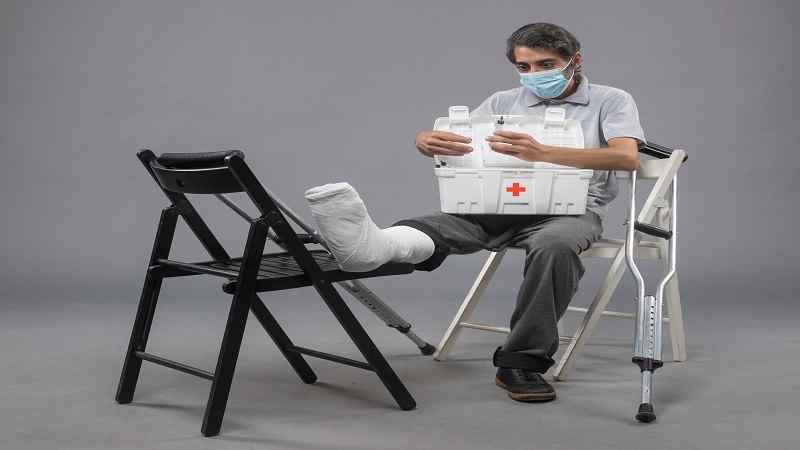
The medical record generated in the hours, days, and weeks after a slip and fall injury does more than document treatment. It is the primary evidence through which the insurance company evaluates the severity of the injury, the causal connection between the fall and the claimed conditions, and the reasonable necessity of the treatment rendered. A medical record that clearly establishes the mechanism of injury, documents objective clinical findings from the first visit forward, and reflects consistent treatment appropriate to the documented condition is the foundation of a strong slip and fall claim. A record that shows delayed treatment, inconsistent findings, treatment gaps, or clinical language that undermines the severity of the injury is the foundation of a weak one, regardless of how serious the fall actually was.
What Slip and Fall Injuries Actually Look Like Medically
Slip and fall crashes produce injury patterns that depend heavily on the specific mechanics of the fall: how the person’s body contacted the surface, what they attempted to catch themselves on, the distance and direction of the fall, and the surface hardness they landed on. The most medically significant slip and fall injuries include:
- Hip fractures: The most serious and most costly slip and fall injury category, particularly among older adults whose bone density makes hip fracture a predictable consequence of lateral falls. Hip fractures require surgical repair, extended rehabilitation, and produce mortality rates that make them among the most clinically serious outcomes of any fall mechanism
- Traumatic brain injuries: Falls that involve the head contacting a hard surface or a fixed object can produce TBI ranging from mild concussion to severe diffuse axonal injury. Standard emergency CT imaging is insensitive to mild and moderate TBI, meaning the emergency record may show no acute finding while significant neurological injury exists. The symptoms of TBI from a fall, including headache, cognitive slowing, memory impairment, and sleep disruption, are often dismissed by emergency physicians focused on structural injuries and by insurers who cite the normal CT as evidence the injury is not serious
- Spinal injuries: Falls that involve awkward landings, falls from height, or falls that load the spine in compression or rotation can produce disc herniations, vertebral fractures, and spinal cord injuries ranging from transient nerve root irritation to permanent motor and sensory deficit. The cervical and lumbar spine are the most commonly injured regions, and the radiating pain, numbness, and weakness that follow are frequently more disabling than the initial pain at the fall site
- Wrist and shoulder fractures: The instinct to catch oneself with outstretched hands during a fall commonly produces distal radius fractures at the wrist and rotator cuff tears and shoulder fractures from the force absorbed by the outstretched arm. These injuries require specific orthopedic management and can produce permanent functional limitation when not treated appropriately
Why Initial Presentation Frequently Underestimates the Injury
Emergency department evaluations after slip and fall injuries are focused on identifying immediately life-threatening conditions and structural fractures visible on standard imaging. The injuries that produce the most significant long-term disability from falls, including mild TBI, soft tissue spinal injuries, and ligamentous damage around joints, frequently produce minimal or no positive findings on the emergency imaging and are therefore not specifically diagnosed or treated in the acute care setting.
The practical consequence of this underestimation is that the emergency record, which is the first medical document the insurer reviews, understates the injury’s severity. When the injured person then seeks follow-up care with an orthopedist or neurologist and those specialists identify significant injury not apparent in the emergency record, the insurer argues that the gap between the emergency visit and the specialist visit shows the injury either did not occur in the fall or was not significant enough to require immediate attention.
Seeking follow-up evaluation from appropriate specialists promptly after any fall that produced persistent symptoms, even when the emergency department found nothing acute, is the medical and legal step that closes this argument. The specialist’s findings, documented in close proximity to the fall date with a clinical history that specifically attributes the symptoms to the fall mechanism, establish the connection that the emergency record did not.
Treatment Gaps and Their Effect on Claims
Nothing damages a slip and fall claim more reliably than a gap in medical treatment. When an injured person stops treatment before a physician has documented that their condition has resolved or reached maximum medical improvement, the insurer argues that the treatment gap shows the injury healed, and courts have accepted this argument even when the injured person explains the gap with financially understandable reasons such as lack of transportation, loss of insurance, or the demands of returning to work.
Completing the full course of recommended treatment, maintaining appointments without gaps, and ensuring that the treating physician’s notes specifically address the functional limitations the injury produces at each visit, including limitations on work, household activities, sleep, and recreational activities, creates the clinical record that supports the full damages case. The CDC’s fall injury data documents the medical severity and cost profile of fall injuries nationally. Working with experienced attorneys who provide legal help for slip and fall injuries means having counsel who helps manage the medical documentation process so the treating record reflects the true extent of the injury from the first visit forward.