
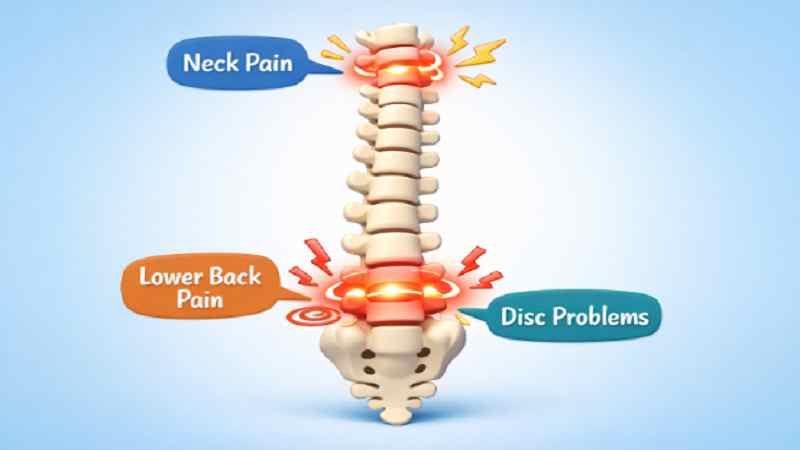
Your spine is vital for your body’s structure and everyday function. Detecting early warning signs can help stop minor spine problems from becoming major health issues. Taking the proper steps, such as arranging a professional spinal screening ipswich, ensures you maintain a healthy, pain-free life.
Many people often ignore subtle symptoms, hoping they will resolve on their own. However, recognizing and responding to these indicators early is crucial for preventing further complications and optimizing spinal health. In this article, we highlight the most critical signs suggesting your spine may require prompt evaluation.
Persistent Back or Neck Pain
Occasional mild discomfort is part of life, but pain in your back or neck that lasts beyond a couple of weeks is a warning sign. Chronic pain in these areas can hint at more severe problems such as herniated discs, spinal stenosis, or degenerative disc disease. According to the Mayo Clinic, ignoring persistent or worsening pain may allow treatable issues to progress, making them harder to manage later. If over-the-counter remedies and rest do not bring relief, it is time to consult with a healthcare provider.
Numbness, Tingling, or Weakness
Sensations such as numbness, tingling, or weakness in one or more limbs can point to nerve involvement. Pinched nerves can result from conditions like a herniated disc or sciatica. Without timely treatment, ongoing nerve compression may lead to permanent neurological damage. These symptoms often start gradually and worsen over time, signaling that your spine is not functioning as it should.
Loss of Bowel or Bladder Control
Experiencing a sudden loss of control over your bowel or bladder is a serious medical emergency. This can be an indication of cauda equina syndrome, where nerves at the base of the spine are under intense pressure. Immediate treatment is essential to prevent irreversible damage and to preserve neurological function. If you notice these symptoms, go to the emergency room without delay.
Balance or Coordination Problems
Struggling with balance, stumbling, or experiencing frequent falls may result from spinal cord compression or nerve dysfunction, especially in the cervical spine. These problems increase the risk of accidents and significant injuries. Getting a prompt evaluation will help uncover and address any underlying spinal issues, which is crucial for restoring stability and coordination.
Unexplained Weight Loss with Back Pain
If your back pain is accompanied by unexplained weight loss, this could be indicative of serious conditions. These include infections, cancers, or inflammatory diseases that impact the spine. Timely medical evaluation is essential if you notice these symptoms together, as early intervention can make a significant difference in treatment outcomes.
Limited Range of Motion
Difficulty moving, whether it is bending, twisting, or reaching overhead, can signal joint or disc problems within the spine. This restricted movement can lead to muscle imbalances, structural misalignments, and chronic pain if ignored. Getting assessed by a specialist can help identify the root problem and prevent further deterioration.
Morning Stiffness That Improves Later
Waking up stiff or achy, only to feel better as the day goes on, is another sign of a potential spinal issue. This is commonly linked to inflammation or joint restrictions, often caused by conditions such as arthritis or degenerative disc disease. While mild stiffness might seem harmless, chronic cases warrant professional attention.
Popping, Clicking, or Grinding Sounds
Occasional pops or clicks can be normal, but persistent or loud sounds, especially when paired with discomfort, may indicate joint dysfunction or wear and tear within the spine. Over time, degenerative changes can become more pronounced and require intervention. If you notice these noises frequently, it is worth seeking advice from a medical professional.
Recognizing the early warning signs and acting quickly can go a long way in maintaining spinal health. If you are experiencing any of these symptoms, booking a professional evaluation is vital for your long-term well-being and mobility.
Additional Signs You Shouldn’t Ignore
Besides the major warning symptoms mentioned above, there are additional, more subtle signs that your spine might need professional assessment. Chronic headaches or migraines, for instance, can sometimes be related to issues in the cervical spine. Muscle spasms, cramps, or frequent tightness along your back or neck are also worth noting, especially if they occur repeatedly without an obvious cause. Likewise, sharp shooting pains that radiate down your arms or legs could point to nerve impingement, often stemming from spinal misalignments or disc herniation.
Posture changes, such as a visible hunch or increased curvature, may develop slowly yet indicate long-term spinal stress or underlying structural problems like scoliosis or kyphosis. Changes in gait, including limping or an uneven stride, should also be evaluated, as they may result from spinal nerve compression affecting lower body function.
Preventive Measures & When To Seek Help
Maintaining spinal health isn’t only reactive. There are proactive steps you can add to your daily routine. Incorporate regular stretching and strengthening exercises tailored to your back and core muscles. Practice good posture at your workstation, and avoid sitting for extended periods without breaks. Pay attention to your sleep surface as well; a mattress that supports proper spinal alignment makes a significant difference. If you participate in physical activities or sports, focus on warming up, cooling down, and using proper techniques to minimize the risk of injury.
If you notice any of the signs discussed here, don’t delay in seeking help from spinal health professionals or your primary care physician. Early intervention is key to avoiding chronic discomfort, preventing disability, and improving your overall quality of life. Most importantly, routine check-ups, even in the absence of serious symptoms, can help catch issues before they escalate. Remember, your spine is at the center of your movement, mobility, and daily comfort. Prioritizing its health is essential for lifelong well-being.