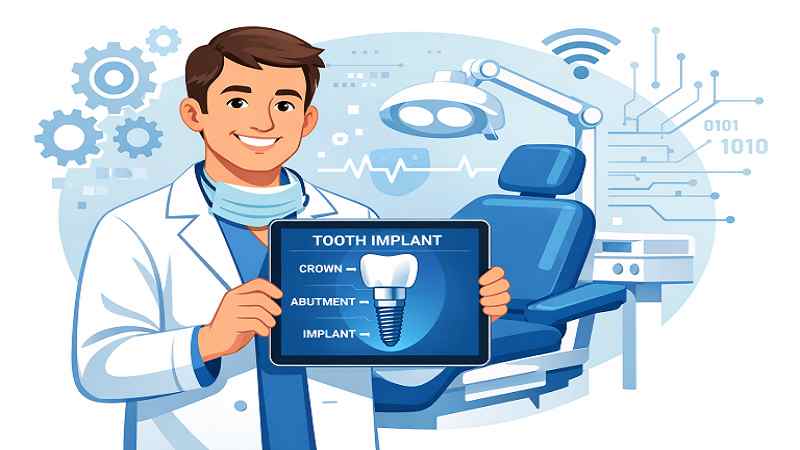
Digital innovation is reshaping dental implantology, bringing a new era of precision, speed, and improved patient outcomes. Today’s leading-edge dental implants procedures integrate advanced technologies that streamline every phase, from diagnosis to post-procedure care. As digital workflows become more common, both dental professionals and patients are experiencing remarkable improvements in comfort and results.
Staying ahead in dental care means leveraging these new digital tools. Patients benefit from shorter treatment times and more predictable outcomes, while clinicians gain confidence with enhanced visualization and digital planning. Whether you are considering dental implants or are interested in how technology is changing the dental landscape, understanding these innovations can help you make informed decisions about your oral health.
Digital Imaging and 3D Scanning
Traditional dental impressions are no longer the only option for implant planning. Digital imaging and 3D scanning represent a major leap forward, offering a detailed and comfortable alternative to messy impression materials. Intraoral scanners rapidly produce highly detailed images of a patient’s oral anatomy, making it easier for clinicians to capture needed data without gagging or discomfort.
Cone Beam Computed Tomography (CBCT) technology goes a step further by capturing three-dimensional views of the jaw, teeth, and surrounding bone. Not only does this improve diagnostic accuracy, but it also allows dentists to create tailored treatment plans that align closely with each patient’s unique anatomy. As a result, the predictability and safety of implant placement have increased significantly, letting more patients benefit from modern dental implants.
Digital diagnostic tools are now the gold standard for state-of-the-art dental practices, supporting accuracy and reducing treatment failure.
CAD/CAM Systems
Computer-Aided Design and Manufacturing (CAD/CAM) systems mark a step-change in dental restoration fabrication. These platforms allow dentists to create digital blueprints for crowns, bridges, and implant components, which can then be milled or printed on-site. The speed is unmatched: some patients receive their final restorations in the same appointment, eliminating the need for multiple visits or temporary crowns.
Digital workflows with CAD/CAM lead to improved prosthetic fit and comfort, reducing the risk of post-procedure complications or corrective adjustments. This transformation elevates the patient experience and lets dentists focus on quality and efficiency.
3D Printing in Dentistry
The arrival of 3D printing in dental implantology has enabled clinicians to fabricate fully customized solutions in-house. Prosthetics, surgical guides, and even bone graft substitutes can now be printed to fit the unique form of each patient’s mouth. This technology allows dentists to deliver care that is both functional and aesthetically pleasing within shorter timeframes.
Speed and accuracy are not the only benefits: 3D printing is also instrumental in reducing costs for both providers and patients. By minimizing material waste and removing outside laboratory requirements, it has democratized access to top-tier implant dentistry.
Artificial Intelligence in Dental Implants
Artificial Intelligence is at the cutting edge of dental innovation, assisting with diagnostics, planning, and predictive analytics. AI algorithms rapidly process patient data, identifying patterns and suggesting highly personalized treatment protocols that support optimal implant placement and longevity. By minimizing human error and bias in the diagnostic process, AI creates a foundation for higher clinical success and greater patient satisfaction.
Through powerful data analysis, AI can forecast treatment outcomes with heightened accuracy, making it a valuable partner in treatment planning for complex cases and routine implant procedures alike.
Robotic-Assisted Surgery
Robotic surgical systems represent a future-forward step in dental implant surgery. These platforms use digital planning and real-time navigation during operations to give clinicians better control and accuracy when placing dental implants. By automating and guiding critical steps of the procedure, robotic assistance helps reduce the impact of human error and delivers consistent, high-quality placements.
Current studies suggest that robotic assistance leads to higher implant stability and better preservation of surrounding bone tissue. For patients, this translates to faster healing, improved comfort, and better long-term outcomes, especially in challenging or complex dental cases.
Conclusion
The ongoing integration of digital technologies is revolutionizing dental implantology, enabling dentists and oral surgeons to provide safer procedures, better results, and a superior patient experience. As more practices embrace these innovations, the possibilities for efficient and successful dental implants will continue to expand, making cutting-edge care more accessible than ever.