
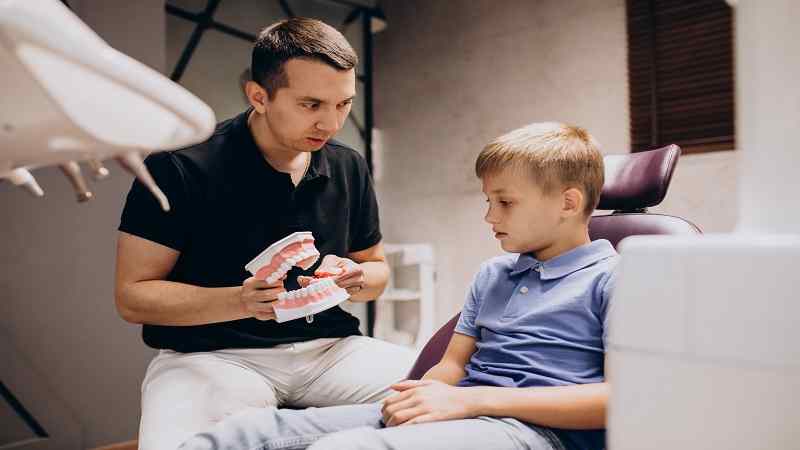
For a lot of children, the dentist’s office ranks somewhere between “not fun” and “actively scary.” And it’s understandable since new environments, unfamiliar tools, and the idea of someone examining their mouth can feel intimidating for a young child. But dental visits don’t have to be a battle. With the right preparation, most kids can learn to see the dentist as a normal, even positive, part of their routine.
Start Early, Start Small
Pediatric dentists generally recommend a child’s first dental visit happen around their first birthday, or shortly after their first tooth appears. Starting early does two things: it gets children used to the sensations and environment of a dental office before they’re old enough to develop anxiety about it, and it allows small issues to be caught before they become bigger problems.
Early visits are typically short and low-pressure, often just a quick look, a chance for the child to sit in the chair, and an opportunity for parents to ask questions. The goal at this stage isn’t extensive treatment; it’s familiarity.
Talk About It the Right Way
How a visit is framed at home matters more than most parents realize. Avoid words like “hurt,” “shot,” or “pain” when explaining an upcoming appointment; even well-meaning warnings like “it won’t hurt, I promise” can accidentally plant the idea that it might. Instead, keep the language simple and neutral: the dentist is going to count their teeth, or make sure their smile is healthy and strong.
Role-playing at home can also help. Letting a child “check” a parent’s or sibling’s teeth with a toothbrush, or reading books about dental visits, can turn an unfamiliar experience into something they’ve already practiced.
Choose the Right Environment
Not all dental practices are equally suited to working with young patients. A pediatric-friendly environment, one with a welcoming waiting area, staff experienced in working with children, and a calm, unhurried approach to appointments, makes a noticeable difference in how a child responds to treatment. Clinics offering dedicated children’s dental care in Calgary often build their appointments specifically around a child’s comfort level, pacing visits to match what the child can handle rather than rushing through a standard adult format.
What to Do If a Child Is Still Anxious
Some children need more time and repetition before they feel comfortable, and that’s completely normal. A few strategies that tend to help:
- Schedule morning appointments when kids are typically less tired and more cooperative
- Bring a comfort item, like a favourite small toy or blanket
- Avoid over-explaining or over-preparing right before the visit, which can increase anxiety rather than reduce it
- Praise calm behaviour afterward, reinforcing that the visit went well
For children with significant dental anxiety, some practices also offer techniques specifically designed to ease nervous patients through their appointment, allowing treatment to happen without unnecessary stress for the child or the parent.
The Long-Term Payoff
Positive early dental experiences tend to shape how children feel about dental care well into adulthood. Kids who grow up comfortable with regular checkups are generally more likely to maintain good oral hygiene habits and less likely to avoid necessary care later in life due to anxiety.
A little preparation now goes a long way, not just for a smoother appointment today, but for a lifetime of healthier habits ahead.