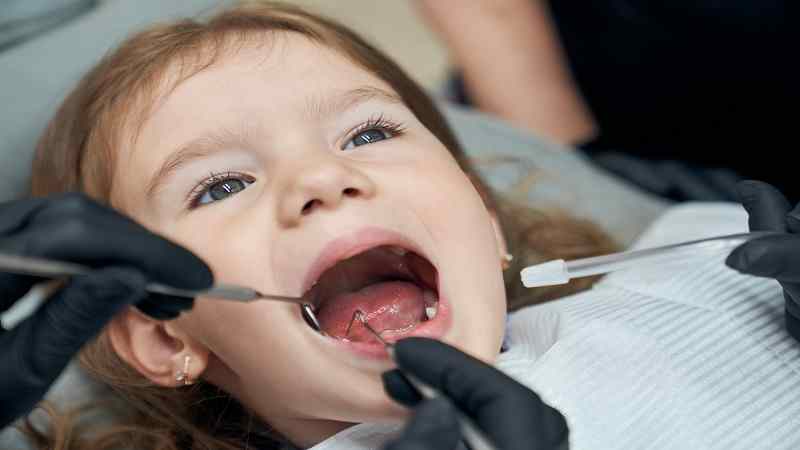
Teeth crowding is often thought of as something to address once all the permanent teeth have come in, typically discovered at a routine checkup during the school-age years. But some early warning signs actually show up much sooner, well before most parents would think to look for them, and recognizing these patterns early can make a meaningful difference in how straightforward future treatment turns out to be.
Why Early Signs Matter
Jaw and dental development happen gradually, and certain patterns visible even in early childhood can hint at future crowding before most of the permanent teeth have even arrived. Catching these signs early doesn’t necessarily mean immediate treatment is needed; often, it means earlier, more attentive monitoring, which allows intervention at a more favourable developmental stage if needed, rather than waiting until crowding is more pronounced and harder to address.
Signs Worth Watching For
A few patterns are worth mentioning to a dentist if you notice them in a young child. Baby teeth that appear unusually crowded or overlapping, despite the natural spacing typically present at this age, can be an early indicator worth monitoring. Difficulty with certain sounds during speech development, persistent mouth breathing, or a narrow-looking upper jaw are additional signs sometimes associated with developing crowding issues.
Thumb-sucking or pacifier habits that continue well past the age most children naturally stop can also contribute to developing bite and spacing issues, making this another pattern worth addressing if it persists longer than typical.
Why Baby Teeth Spacing Matters
Unlike permanent teeth, baby teeth are generally expected to have some natural gaps between them; this spacing serves a purpose by providing room for the larger permanent teeth that will eventually replace them. When baby teeth appear tightly crowded with little to no natural spacing, it can be an early signal that there may not be adequate room for permanent teeth to come in without crowding later on.
What Happens After Signs Are Noticed
Noticing an early sign doesn’t automatically mean immediate treatment; in many cases, it simply means a dentist providing children’s dentistry in Edmonton will monitor development more closely at subsequent visits, tracking how the pattern evolves as more teeth come in. For a smaller number of cases, early interceptive approaches might be recommended to help guide development in a more favourable direction before permanent teeth fully commit to a crowded pattern.
The Value of Early Awareness
Parents aren’t expected to diagnose crowding issues themselves, but knowing which patterns are worth mentioning at a routine checkup helps ensure nothing gets overlooked simply because it seemed too minor or too early to bring up. A brief mention of a concerning pattern costs nothing and gives a dental provider the opportunity to start monitoring proactively rather than waiting until crowding is unmistakably obvious.
Staying Attentive Without Overreacting
Not every minor spacing irregularity in a young child’s mouth signals a problem; plenty of natural variation exists without indicating future crowding. The goal isn’t parental anxiety over every dental detail, but rather staying attentive enough to mention genuine patterns at routine visits, giving early development the best possible chance of unfolding smoothly.