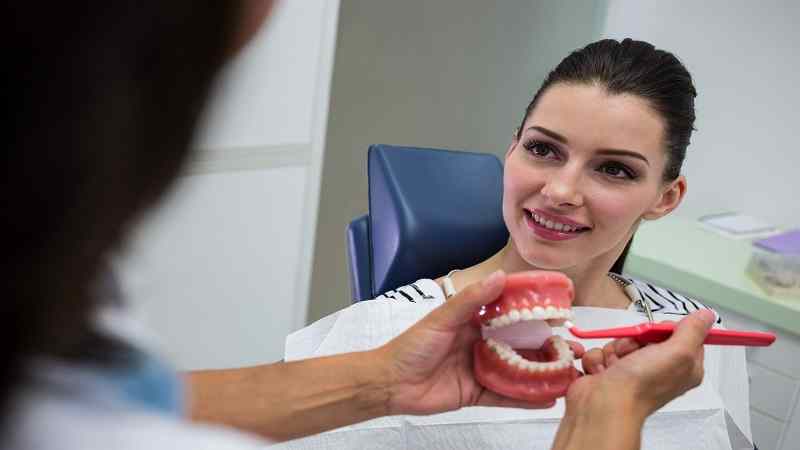
Getting fitted for dentures is often talked about as a single milestone, the day a patient finally has a complete, restored smile. What gets discussed far less is the adjustment period that follows, a process that takes considerably longer than most new wearers expect, and understanding that realistic timeline in advance makes the transition feel far less discouraging.
The First Few Days
Immediately after receiving new dentures, most patients notice a sense of bulkiness or fullness in the mouth, even with a well-fitted set. Speaking may feel slightly awkward at first, certain sounds requiring a bit of relearning as the tongue and cheeks adjust to the new presence in the mouth. Mild gum soreness during this initial period is common and generally expected, as the tissue adapts to something resting against it that wasn’t there before.
Weeks One Through Four
This is typically the period where the most noticeable adjustment happens. Eating tends to feel unfamiliar at first, starting with soft foods cut into smaller pieces and gradually working toward a more normal diet as confidence and control improve. Many new wearers find that eating slowly and evenly, distributing food across both sides of the mouth, helps the denture stay properly seated during chewing.
Speech generally improves significantly within the first few weeks as the muscles of the tongue, cheeks, and lips adapt to the new fit. Reading aloud or practicing challenging words during this period can help speed up the adjustment.
One to Three Months
By this stage, most patients report feeling significantly more comfortable with dentures in Edmonton, eating a wider range of foods, speaking without conscious effort, and generally forgetting they’re wearing a denture for stretches of the day. Some minor fit adjustments are common during this period too, as gum tissue settles into its final shape after recent tooth extractions, which may require a slight denture refit for optimal comfort.
Beyond Three Months
For most wearers, dentures feel like a fully integrated part of daily life by this point, though periodic check-ins remain important, since the jawbone and gum tissue continue to change gradually over time and may require adjustments or eventual relining to maintain a proper fit.
Why Patience Matters More Than Most Expect
New denture wearers who expect an instant, seamless transition are often the most discouraged during the early weeks, when eating and speaking still feel unfamiliar. Understanding that this adjustment genuinely takes weeks to months, rather than days, helps set realistic expectations and reduces the frustration of comparing an early adjustment period to how things will eventually feel once the process is complete.
A Process, Not a Single Event
Dentures aren’t simply “on” and functioning perfectly from day one; they represent the start of an adjustment process that unfolds gradually. Patience during the early weeks, paired with realistic expectations about the actual timeline involved, makes the difference between a frustrating transition and one that feels manageable from the very beginning.