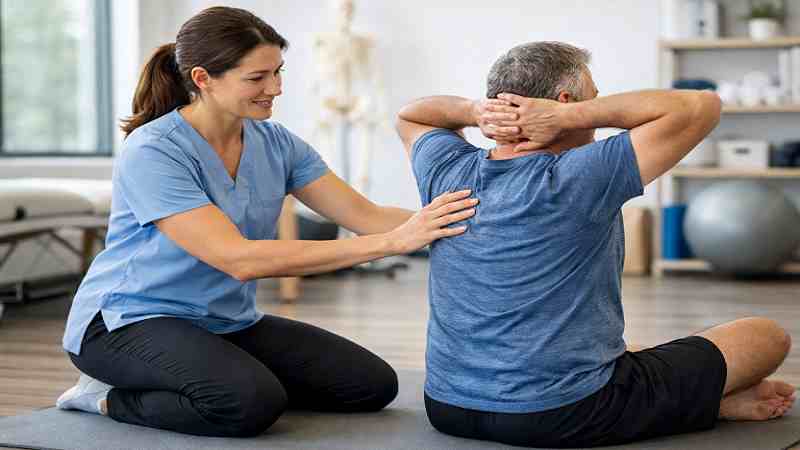
Back pain affects nearly 80 percent of people at some point in their lives, resulting in lost productivity, emotional distress, and lifestyle limitations. Among the common underlying culprits, scoliosis stands out due to its deeply impactful nature. Scoliosis manifests as an abnormal lateral curvature of the spine, and its causes can range from congenital factors and genetic predispositions to neuromuscular imbalance and degenerative spinal changes. Prolonged poor posture, repetitive strain, and age-related degenerative disc disease may also play roles in the onset or progression of spine conditions like scoliosis and chronic back pain. Many residents of Denver seeking relief from such symptoms trust the expertise of Denver Physical Therapy as a proven provider of effective, non-surgical treatments tailored for spine health.
While the physical causes of scoliosis and back pain are diverse, prompt diagnosis and intervention are essential. Failing to address these underlying factors can result in worsening structural deformity, increased pain, nerve compression, and reduced mobility. Understanding the potential causes and risk factors behind back pain and scoliosis empowers patients to make informed decisions about their care, ensuring optimal outcomes and improved quality of life in the long run.
How Can Physical Therapy Alleviate Back Pain?
Physical therapy remains a cornerstone in the treatment of back pain for its ability to directly address the biomechanical issues contributing to discomfort. Therapists assess spinal alignment, muscle imbalances, and movement patterns to create customized regimens that address the individual’s unique concerns. Evidence-based techniques—including manual therapy, joint mobilization, targeted strengthening exercises, and functional training are blended with posture retraining and ergonomic education. Patient education is emphasized so that clients not only experience relief but also develop the skills needed to prevent future recurrence.
For those experiencing chronic discomfort or recovering from an acute injury, physical therapy is a practical solution that avoids invasive procedures or reliance on medication. An individualized approach ensures progress at a manageable pace, with ongoing assessment and modification of the treatment plan as mobility improves.
What Are the Benefits of Non-Surgical Scoliosis Treatment?
Modern non-surgical scoliosis interventions focus on halting progression, alleviating pain, and enhancing spinal stability. Techniques such as the Schroth Method and the Scientific Exercise Approach to Scoliosis (SEAS) are widely respected for their efficacy. These methods utilize specific exercises, breathing patterns, and posture awareness to stabilize the spinal curve and improve overall function. This proactive, movement-based strategy allows adolescents and adults to participate in their care and experience results without the risks associated with surgical intervention.
Why Choose Denver Physical Medicine & Rehab for Your Treatment?
Denver Physical Medicine & Rehab distinguishes itself by offering a multidisciplinary approach to spine care in the Denver metro area. Led by Dr. Mansi and a team of experienced medical doctors, nurse practitioners, physical therapists, doctors of chiropractic, and medical massage therapists, this center delivers holistic non-surgical solutions for back pain and scoliosis. Treatment protocols are research-backed and focused on the patient’s specific presentation, supporting long-term recovery and everyday mobility.
What Does a Personalized Treatment Plan Involve?
A personalized treatment plan at Denver Physical Medicine & Rehab involves several core components:
- Comprehensive assessments of posture, spinal alignment, and function using advanced diagnostic methods
- Tailored exercise regimens targeting the muscles most in need of strengthening or lengthening
- Manual therapy sessions with experienced clinicians to restore joint mobility and reduce pain
- Postural education to minimize recurrence and maintain gains in flexibility and strength
For more details on the clinical effectiveness of exercise-based scoliosis management, visit the Spine-health resource center.
How Effective Are These Treatments?
Many patients at Denver Physical Medicine & Rehab have reported measurable improvements during their care. Clinical outcomes often include a decreased degree of spinal curvature, restoration of normal posture, pain reduction, and enhanced day-to-day function. These findings align with national research indicating that evidence-based, non-surgical treatments for spine conditions can significantly enhance patient quality of life. Studies published by major organizations like the Mayo Clinic further emphasize the value of conservative care approaches for back pain and scoliosis management.
What Are the Long-Term Benefits of Physical Therapy for Back Pain and Scoliosis?
Engagement in a well-structured physical therapy or rehabilitation program delivers long-term advantages well beyond initial pain relief. These include sustained improvements in strength, spinal stability, functional mobility, and adaptability to daily activities. Importantly, patients also gain the confidence and knowledge needed to self-manage flare-ups, advocate for their spinal health, and reduce the chances of condition recurrence or progression. With comprehensive support, individuals regain control and are empowered to live active, fulfilling lives while addressing the unique challenges posed by scoliosis or chronic back pain.
Frequently Asked Questions
Q: Is physical therapy suitable for all types of back pain?
A: Physical therapy is beneficial for most back pain types. However, a thorough evaluation is crucial to ensure that it is the best option for your specific condition. Complex or severe cases may require multidisciplinary care and co-management with other specialists.
Q: How long does it take to see results from scoliosis treatment?
A: Results can be highly individualized. Some patients notice comfort and posture improvements within several weeks. Others with more advanced curves may require a longer, sustained effort to achieve and maintain significant changes.
Q: Are the treatments at Denver Physical Medicine & Rehab covered by insurance?
A: Insurance coverage can vary by plan and provider. It is best to check directly with your insurance company and the clinic’s administrative staff to verify eligibility and obtain details about what is included.
Specialized, non-surgical management of back pain and scoliosis leads to better outcomes and a visibly improved quality of life. Denver Physical Medicine & Rehab is committed to providing expert care for Denver-area residents, utilizing the latest in physical medicine and evidence-based rehabilitation for sustainable relief and optimal spine health.