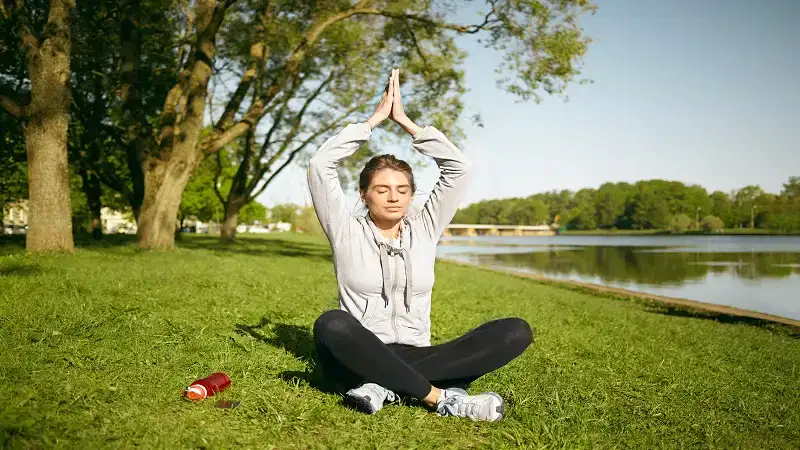
In a world that constantly moves at a fast pace, finding moments of calm can feel like a challenge. Notifications, deadlines, and responsibilities often leave little room for quiet reflection. That’s why stepping outdoors has become more than just a leisure activity — it’s a powerful way to reconnect with yourself. Nature offers a peaceful space where you can slow down, breathe deeply, and reset your mind.
Spending time outside isn’t just refreshing; it supports emotional wellness in meaningful ways. Whether it’s the sound of leaves rustling, the warmth of sunlight, or the rhythm of your own footsteps on a trail, outdoor activities can bring a sense of balance that’s hard to find indoors. The best part is that you don’t need elaborate plans or expensive gear. Sometimes, the simplest activities create the most powerful impact.
The Healing Power of Fresh Air
There’s something instantly soothing about being outdoors. Fresh air, open spaces, and natural light can change your mood in subtle but powerful ways. When you step outside, your mind begins to shift away from worries and toward the present moment. This shift helps ease mental fatigue and promotes emotional clarity.
Even a short walk in a park or a quiet corner of a garden can help you feel more grounded. It’s not about how long you stay outside — it’s about allowing yourself to pause and notice your surroundings. The gentle breeze, the color of the sky, and the calmness of nature create a natural environment for relaxation.
Walking with Intention
Walking is one of the simplest yet most effective outdoor activities for emotional wellness. It requires no special skills and can be done almost anywhere. But when done with intention, it becomes more than just physical movement. It turns into a moment of mindfulness.
Try walking without distractions. Leave your phone in your pocket and focus on the rhythm of your steps. Notice how your body feels as you move. Observe the sights and sounds around you. This kind of mindful walking can help release built-up tension and create space for positive thoughts.
Over time, this simple habit can become a comforting ritual — a way to clear your head after a stressful day or start your morning with a sense of calm.
Finding Peace Through Nature Observation
You don’t always have to be active to benefit from being outdoors. Sometimes, simply sitting and observing nature can bring deep emotional comfort. Watching birds, clouds, or the movement of trees in the wind encourages your mind to slow down.
When you give yourself permission to just sit and notice, your thoughts begin to settle. This quiet observation helps reduce stress and can even improve focus. It also reminds you that life moves at different rhythms, and it’s okay to take a break from constant activity.
A few minutes of stillness outdoors can help you reconnect with your inner calm.
Gentle Outdoor Hobbies for Relaxation
Engaging in light hobbies outdoors can create a sense of purpose while also supporting emotional balance. Activities like gardening, painting, or journaling in an open space allow you to express yourself freely. These activities don’t demand perfection; they encourage creativity and relaxation.
Gardening, for example, brings a unique kind of satisfaction. Planting seeds and watching them grow over time creates a sense of patience and accomplishment. The connection with soil and greenery can be incredibly grounding.
Similarly, sketching or writing outside lets your thoughts flow naturally. When your surroundings are peaceful, your mind often follows.
The Calm of Focused Activities
Some outdoor activities encourage calmness through focus. When your mind is fully engaged in a task, it naturally shifts away from stress and overthinking. Activities that require gentle concentration can be especially effective in promoting emotional wellness.
For instance, practicing archery can be a deeply calming experience. The process of focusing on posture, breathing, and aim creates a meditative state. Each movement requires attention and patience, helping you stay present and centered. Over time, this type of focused activity can improve mental clarity and reduce restlessness.
Connecting with Water
Water has a naturally soothing effect on the mind. Spending time near lakes, rivers, or the ocean can bring a sense of peace that’s hard to explain. The sound of flowing water often creates a calming rhythm that helps reduce stress.
Simple activities like sitting by the water, dipping your feet, or watching the waves can help you feel more relaxed. If you enjoy gentle movement, you might try activities like paddle boating or slow swimming. These experiences help you stay connected to the moment while allowing your mind to unwind.
Even if you don’t live near large bodies of water, visiting a local fountain or small pond can still offer a similar sense of calm.
Breathing with the Outdoors
Outdoor spaces naturally encourage deeper breathing. Away from crowded environments, your body feels more at ease, and your breathing becomes slower and steadier. This change has a direct impact on emotional wellness.
You can enhance this experience by practicing simple breathing exercises. Sit comfortably, close your eyes, and take slow, deep breaths. Let the sounds of nature guide your rhythm. As you inhale and exhale, imagine stress leaving your body.
This small practice can help release tension and create a sense of peace that lasts even after you return indoors.
Exploring New Places at Your Own Pace
Exploration doesn’t have to mean long trips or intense adventures. Even discovering a new trail, park, or quiet corner of your neighborhood can bring a fresh sense of excitement. Changing your environment helps refresh your perspective and keeps your routine from feeling repetitive.
The key is to move at your own pace. You don’t need to rush or cover great distances. Take time to notice details — the texture of leaves, the patterns in the sky, the way sunlight falls on the ground. These small moments can bring joy and help you feel more connected to your surroundings.
Trying something new outdoors, even occasionally, can bring a sense of curiosity and positivity into your life.
Building a Routine of Outdoor Calm
Emotional wellness grows stronger when you create consistent habits. Making outdoor time part of your routine doesn’t have to be complicated. You can start small — a few minutes each day is enough.
Choose an activity that feels natural to you. It could be morning walks, evening stretches in the garden, or practicing a focused skill like archery once in a while. The goal is to create a regular moment where you can step away from daily pressures and focus on yourself.
Over time, these moments add up. They become a steady source of comfort and balance, helping you manage stress more effectively.
Sharing the Experience
Spending time outdoors doesn’t always have to be a solo activity. Sharing these moments with friends or family can deepen emotional connections. A quiet walk, a picnic, or simply sitting together in a peaceful space can create meaningful conversations and lasting memories.
When people connect in natural environments, interactions often feel more relaxed and genuine. This sense of connection plays an important role in emotional well-being.
At the same time, it’s equally important to balance social time with moments of solitude. Both experiences offer different kinds of comfort.
Let Nature Be Your Reset Button
Life can sometimes feel overwhelming, but nature offers a gentle reminder to slow down. You don’t need perfect conditions or elaborate plans. All you need is the willingness to step outside and be present.
Outdoor activities that support emotional wellness are not about performance or results. They’re about finding small pockets of peace in your day. Whether you’re walking, observing, creating, or focusing on a calming hobby, each moment spent outdoors helps you reconnect with yourself.
In the end, emotional balance isn’t something you find all at once. It grows gradually through small, consistent efforts. And sometimes, the most powerful step toward calm is as simple as opening the door, stepping outside, and letting nature guide you back to yourself.