Recovering from an injury is an experience that goes beyond just healing the physical wound. The journey requires a combination of mental, physical, and, at times, spiritual support to regain health and well-being truly. In recent years, holistic rehabilitation has gained traction among both medical professionals and patients for its emphasis on treating the entire person rather than just the injury. If you’re considering a more integrative approach to healing, consulting with an experienced Langley, BC physiotherapy service can be a great way to explore these options from the outset.
This article explores the guiding principles of holistic injury rehabilitation, examines its essential components, and highlights the tangible benefits of addressing every aspect of health. The goal is to provide a comprehensive view of how this approach can lead to a more complete and sustainable recovery, allowing individuals to thrive after an injury.
Understanding Holistic Rehabilitation
Holistic rehabilitation is rooted in the belief that effective healing goes beyond physical therapy and requires attention to all parts of the individual. Unlike traditional methods that may focus solely on alleviating pain or improving joint mobility, holistic rehabilitation incorporates mental health support, nutritional advice, and personalized lifestyle adjustments. This integrative model draws on best practices from modern medicine, psychology, nutrition, and even complementary health disciplines for more effective outcomes. By tailoring each stage of recovery to the patient’s unique circumstances, holistic rehabilitation often reduces the emotional toll of injury while also enhancing motivation and participation throughout the rehabilitation timeline. Approaches that consider the whole person can be particularly effective in cases of chronic pain, complex injuries, or setbacks in the healing process.
Key Components of Holistic Rehabilitation
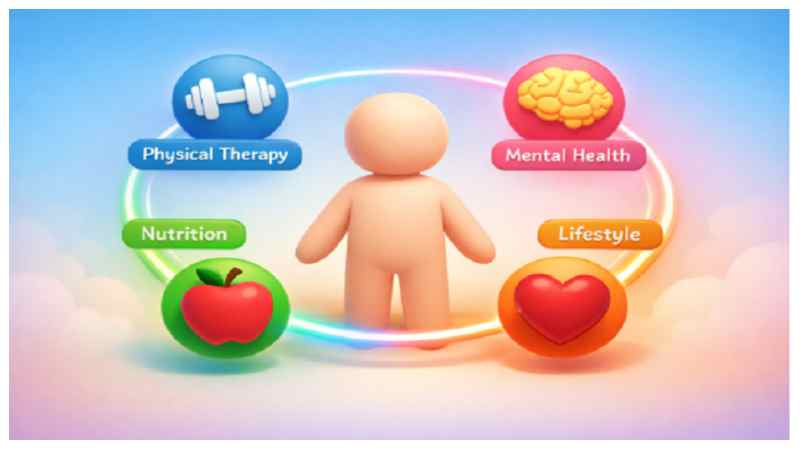
- Physical Therapy: A core aspect of any injury recovery, physical therapy consists of individualized exercises and movement protocols that are regularly updated as improvements are made. These activities work to restore range of motion, strength, and normal function in the injured area.
- Mental Health Support: Injury can be an emotionally taxing experience, often accompanied by anxiety, frustration, or depression. Offering access to counseling or support groups is key to helping patients process and navigate these psychological hurdles.
- Nutrition: Diet plays an instrumental role in tissue healing and inflammation control. Nutritionists may recommend meal plans or supplemental support to accelerate tissue repair and minimize downtime.
- Lifestyle Modifications: Adopting safer movement patterns and adjusting daily activities are essential to avoid re-injury. This might involve training in posture, proper lifting techniques, ergonomic changes, or stress management.
Benefits of a Holistic Approach
Individuals who follow holistic rehabilitation plans often experience multiple benefits beyond just physical recovery. The approach tends to foster:
- Reduced recovery times. By addressing factors like stress and diet alongside physical issues, the body may heal more quickly.
- Lowered risk of future injuries thanks to education and lifestyle changes that promote safer activity.
- Improved mental well-being, which encourages active engagement and follow-through with rehabilitation plans.
- Enhanced overall health, as these changes often lead to the adoption of long-term healthy habits.
Implementing Holistic Strategies
Integrating a holistic approach into injury rehabilitation starts with assembling a multidisciplinary team. Ideally, this includes not only a physiotherapist but also access to nutritionists, mental health professionals, and other caregivers. Working together, this team can develop a recovery plan tailored specifically to the patient’s goals and needs.
- Seek out practitioners who offer both traditional physical therapy and alternative services, such as counseling or nutritional assessments.
- Conduct thorough evaluations at the start, including mental health and lifestyle assessments, to identify areas that need specific support.
- Maintain open lines of communication between patient and practitioner, which fosters more effective progress tracking and adjustment of techniques as necessary.
- Adapt and personalize the approach as recovery unfolds, ensuring that the plan is always reflective of the individual’s circumstances and progress.
Real-Life Examples
Numerous case studies support the success of holistic strategies in rehabilitation. For example, a study published by the National Library of Medicine found that patients recovering from orthopedic surgery achieved better outcomes when physical therapy was combined with comprehensive pain management and psychological support. Results included more rapid restoration of mobility and a greater overall sense of well-being. In community-based practices, patients who participated in group counseling or mindfulness classes alongside their rehabilitation programs reported not only accelerated physical healing but also improved emotional resilience and motivation to engage in ongoing preventive care.
Conclusion
Holistic approaches to injury rehabilitation represent a shift toward personalized, patient-centered care. By blending physical recovery with mental, emotional, and lifestyle support, holistic rehabilitation gives individuals the resources needed to achieve optimal healing and long-term health. For those looking to return not just to baseline but to a stronger, more balanced state, embracing a comprehensive approach is an investment in overall well-being and future resilience.