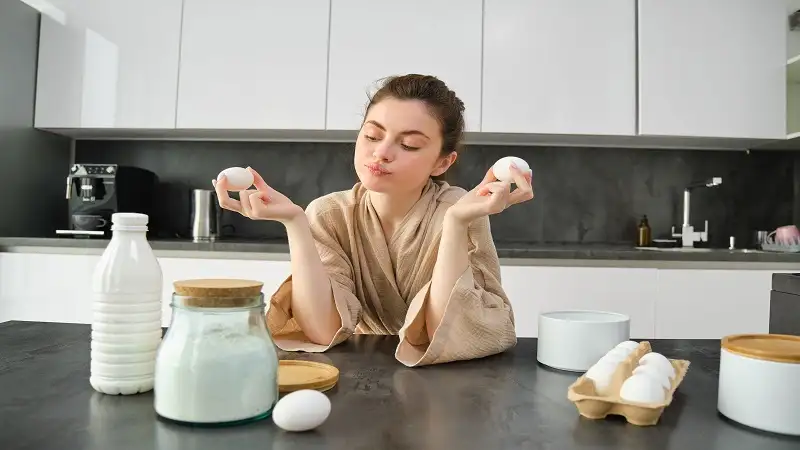
Healthy, glowing skin isn’t just a result of the skincare products you use — it’s a reflection of your overall lifestyle. From the foods you eat to the number of hours you sleep, and even how you cope with stress, your daily habits play a powerful role in shaping your skin’s appearance and resilience. At Skin Clinic Ottawa, we see firsthand how lifestyle factors can make or break skin health — and what you can do to support your complexion from the inside out.
In this article, we’re diving into three pillars of skin health: diet, sleep, and stress. Understanding how each one impacts your skin can help you make informed choices that not only improve your complexion but also enhance your overall well-being.
1. Diet: You Are What You Eat (Literally!)
It’s a saying you’ve probably heard before — but when it comes to skin, it’s truer than you might think. The nutrients in your food become the building blocks for new skin cells, collagen production, immune function, and inflammation control.
Foods That Support Healthy Skin
Antioxidant‑rich foods:
Berries, leafy greens, dark chocolate, nuts, and seeds are loaded with antioxidants like vitamins C and E. These compounds counteract free radicals—unstable molecules that harm skin cells and speed up the aging process.
Healthy fats:
Omega‑3 fatty acids found in salmon, flaxseeds, and walnuts help maintain your skin’s barrier function. A strong barrier keeps moisture in and irritants out — resulting in smoother, plumper, more resilient skin.
Hydrating foods:
Cucumbers, watermelon, oranges, and celery all contribute water — and hydration is key for a dewy, youthful complexion.
Foods That Can Trigger Breakouts
While there’s no one “bad food” that causes acne in everyone, certain dietary patterns are linked with more skin problems:
- High sugar and refined carbs: Bread, pastries, sodas — these can spike insulin levels, leading to increased oil production and inflammation.
- Dairy for some people: Some individuals notice breakouts after consuming dairy, particularly skim milk. This isn’t universal, but it’s worth noting if you struggle with acne.
- Highly processed foods: Chips, fast food, and snacks with little nutritional value can contribute to dullness, inflammation, and premature aging.
Practical Eating Tips for Better Skin
- Balance every meal with protein, healthy fats, and complex carbs.
- Snack on colorful fruits and vegetables.
- Drink plenty of water throughout the day — aim for at least eight glasses.
Your diet not only affects acne and oil production but also influences skin elasticity, hydration, and even how well your skin repairs itself after sun exposure or environmental damage.
2. Sleep: The Unsung Hero of Skin Repair
Ever noticed that your skin looks better after a great night’s sleep? That’s no coincidence — sleep is one of the most important yet overlooked factors in skin health.
During deep sleep, your body shifts into a powerful state of restoration and repair. That includes:
- Collagen production: Collagen helps keep your skin firm and youthful. Sleep increases the release of growth hormones that support collagen synthesis.
Cell regeneration: New skin cells are produced while you rest. - Inflammation reduction: Poor sleep increases inflammation, which can worsen acne, eczema, and rosacea.
What Happens When You Don’t Sleep Enough
Lack of quality sleep can lead to:
- Dark circles and puffiness: Because your blood vessels dilate under tired eyes.
- Dull complexion: Slower cell turnover means your skin doesn’t shed old cells efficiently.
- Fine lines and wrinkles: Chronic sleep deprivation accelerates aging.
Sleep Tips for Radiant Skin
- Stick to a sleep schedule: Go to bed and wake up at the same time each day (yes, even on weekends!).
- Create a wind‑down routine: Dim lights, avoid screens before bedtime, and consider relaxing activities like reading or meditation.
- Keep your room cool: Around 65°F (18°C) is ideal for restful sleep.
Getting consistent, quality sleep is one of the easiest ways to support your skin’s natural repair mechanisms — and it’s free!
3. Stress: More Than Just a Feeling
Stress affects every part of your body — including your skin. Whether it’s work pressure, relationship challenges, or everyday life stressors, your skin feels the impact.
How Stress Affects Your Skin
When you’re stressed, your body releases stress hormones like cortisol and adrenaline. These hormones can:
- Increase oil production: Leading to clogged pores and breakouts.
- Inflame existing skin conditions: Acne, eczema, psoriasis, and rosacea can flare up during stressful periods.
- Slow healing: Stress diverts resources away from repair processes, so blemishes take longer to fade.
- Worsened sensitivity: Irritated skin is more reactive to products and environmental triggers.
Managing Stress for Better Skin
While you can’t eliminate stress, you can manage how your body responds to it:
- Exercise regularly: Movement increases blood flow and releases endorphins — your body’s natural mood boosters.
- Practice mindfulness: Meditation, deep breathing, and yoga can recalibrate your stress response.
Connect with others: Social support is a powerful buffer against stress.
The mind‑body connection is real. When you take care of your mental wellbeing, your skin often shows the benefits.
Lifestyle × Clinical Care: A Winning Combination
While diet, sleep, and stress management are foundational for healthy skin, combining good habits with professional care amplifies results.
At a Skin Clinic, clients benefit from tailored skincare plans that address specific concerns — whether it’s acne, aging, pigmentation, or hydration. Supplements, topical treatments, and professional services can work alongside healthy lifestyle habits for transformative results.
For example, someone focusing on stress reduction and sleep hygiene might pair those changes with treatments like chemical peels or hydrating facials to accelerate improvement. Another person managing breakouts through diet might add targeted medical‑grade products recommended by their clinician.
The Role of Aesthetic Enhancements in Skin Confidence
Lifestyle habits support your skin’s health — but sometimes aesthetic enhancements can play a meaningful role in how you feel. Procedures such as Lip Fillers in Ottawa have become popular for clients seeking subtle, natural enhancement that boosts confidence.
Whether you’re pursuing fuller lips, smoothing fine lines, or refreshing your overall appearance, working with licensed professionals ensures safety and beautiful results. These enhancements don’t replace healthy living — they complement it.
Combining lifestyle awareness with professional expertise ensures your skin not only looks great but is supported at every level: inside and out.
Wrapping Up: Little Changes, Big Results
Healthy skin isn’t a destination — it’s a lifestyle. It grows stronger when you nourish your body with nutrient‑dense foods, give yourself enough sleep to repair and renew, and manage stress so your skin isn’t constantly under attack from within.
If you pair those lifestyle habits with knowledgeable support from places like Skin Clinic, you create a powerful foundation for lasting radiance.
Remember: your skin tells the story of your health. Feed it well, rest it deeply, and treat your stress with kindness — and it will reward you with a glow that begins from the inside out.