Maintaining optimal brain health is at the core of overall well-being. With recent advancements in neuroscience and technology, individuals and professionals now have powerful new tools to help enhance cognitive function and foster recovery from neurological injuries. Approaches such as brain-computer interfaces and non-invasive stimulation techniques are reshaping how experts, including Neurologists, diagnose, treat, and support neurological rehabilitation. These methods target the underlying neural mechanisms, enabling more precise and individualized therapies for conditions ranging from depression to traumatic brain injuries.
Staying current with these innovations is increasingly important for practitioners and those affected by neurological disorders alike. Understanding how new technologies integrate with traditional treatments can help tailor interventions that deliver better outcomes and improved quality of life. Continuous research and clinical application in this fast-evolving field are opening the door to opportunities for recovery and cognitive enhancement that were never possible before.
The future of brain health lies in the fusion of biomedical engineering, neuroscience, and digital technology. As these fields continue to advance, healthcare providers can offer patients safer, more effective, and less invasive solutions to complex conditions. Innovations such as non-pharmacological therapies and technologically augmented devices provide both practical benefits and fresh hope for managing and improving cognitive decline or physical impairments after injury.
As public interest grows in these novel treatments, reputable sources such as the Mayo Clinic offer helpful information on the latest research, best practices, and patient resources related to brain health.
Brain-Computer Interfaces: Bridging Mind and Machine
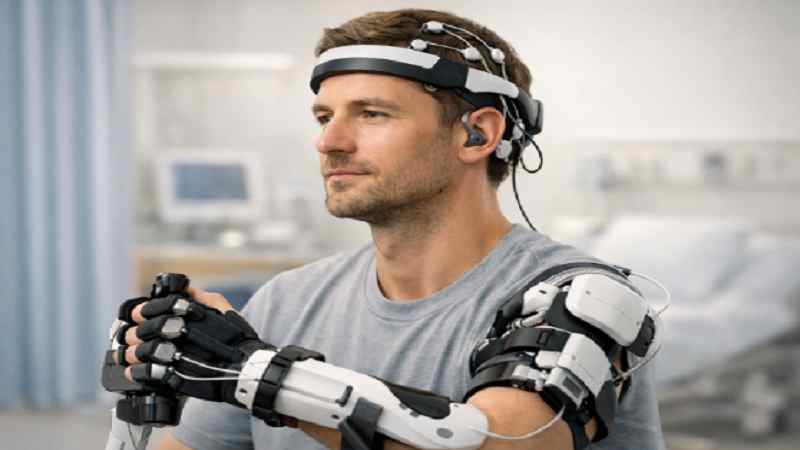
Brain-computer interfaces (BCIs) are transforming the lives of individuals with severe neurological impairments by creating a link between the brain and external technology. These systems capture neural activity directly from the brain and translate it into actionable commands. Innovations like BCIs have empowered patients with spinal injuries to control robotic limbs or exoskeletons, restoring a degree of independence and interaction that was previously impossible. For example, research published by the University of California, Irvine demonstrated how a BCI enabled a paralyzed individual to walk with an exoskeleton, even providing real-time sensory feedback for safer ambulation. Such bidirectional interfaces are leading the way in both assistive technology and neurorehabilitation solutions.
Transcranial Magnetic Stimulation: A Non-Invasive Boost
Transcranial Magnetic Stimulation (TMS) is a non-invasive and targeted approach that utilizes magnetic fields to stimulate specific brain regions associated with mood, cognition, and other neurological functions. Most widely recognized for its effectiveness in treating depression, TMS is now being tailored for even greater efficacy. Researchers at UCLA Health have pioneered high-frequency “5×5” TMS protocols, where patients receive five treatments a day for five days, significantly accelerating relief from depressive symptoms compared to traditional methods. In addition to mental health applications, TMS offers promising results for other neuropsychiatric and cognitive disorders, providing a safer and more rapid path to symptomatic improvement.
Gamma Frequency Stimulation: Enhancing Cognitive Function
Gamma frequency stimulation, especially exposure to synchronized 40Hz light and sound, is a cutting-edge non-invasive treatment that leverages the brain’s natural oscillatory rhythms to promote neuronal health. Pioneering studies from MIT found that this approach reduced amyloid plaques and improved memory in animal models of Alzheimer’s disease, suggesting significant implications for neurodegenerative diseases. Gamma modulation is easily delivered through visual and auditory cues, making it accessible and adaptable to clinical and home settings. While research is ongoing, early results provide hope for safe interventions that may promote healthy brain aging and cognitive sustainability.
Deep Brain Stimulation: Precision in Treatment
Deep Brain Stimulation (DBS) involves surgical implantation of electrodes in precisely mapped brain regions to modulate neural circuits. Clinically, DBS is established for movement disorders like Parkinson’s disease and dystonia, but emerging trials are extending its impact to post-stroke rehabilitation. In these studies, cerebellar stimulation is being explored as a means to enhance motor recovery after stroke, with early reports indicating potential benefits in safety and efficacy. DBS provides a personalized treatment model, allowing ongoing adjustment of stimulation parameters tailored to each patient’s unique neural activity and symptoms.
Visual Training Programs: Restoring Cognitive Abilities
Visual training programs address the persistent cognitive issues that follow concussions and mild traumatic brain injuries. Through targeted exercises like Perceptual Attention Therapy (PATH), individuals retrain their visual pathways to improve attention, working memory, and reading abilities. Groundbreaking research from UC San Diego has highlighted significant improvements in cognitive performance among those undergoing visual training, indicating that structured visual rehabilitation can effectively bridge the gap in neurocognitive recovery and reduce reliance on medication or prolonged therapy.
Non-Invasive Ultrasound Therapy: A New Frontier
Non-invasive ultrasound therapy offers a paradigm shift in brain modulation by enabling clinicians to affect neural circuits within the brain safely and precisely, without surgery. Using low-intensity focused ultrasound, researchers at Stanford demonstrated changes in neural activity that may be valuable in treating epilepsy, essential tremor, and even psychiatric disorders. This method opens up possibilities for treating deep-seated brain conditions that are typically inaccessible through other non-invasive techniques, making it a promising direction in neurotherapeutics.
Robotic-Assisted Gait Training: Advancing Mobility
Robotic-assisted gait training combines robotics, wearable technology, and therapeutic expertise to assist individuals with paralysis or weakened muscles in regaining mobility and coordination. New innovations such as the Rise&Walk® system by TIRR Memorial Hermann support synchronized body movement, providing comprehensive, customized rehabilitation for stroke survivors and spinal cord injury patients. These platforms not only enhance neuroplasticity and motor relearning but also offer real-time feedback, making therapy more engaging and measurable for both patients and clinicians.
Conclusion
The landscape of brain health is rapidly evolving, fueled by advances that are breaking barriers in both diagnosis and rehabilitation. From brain-computer interfaces to novel non-invasive therapies and robotic technologies, these cutting-edge innovations provide unprecedented options for restoring function, enhancing cognition, and improving quality of life for those affected by neurological disorders. As developments continue, adopting these new methods and staying informed through credible sources will be essential for achieving the best outcomes in neuroscience and rehabilitation.