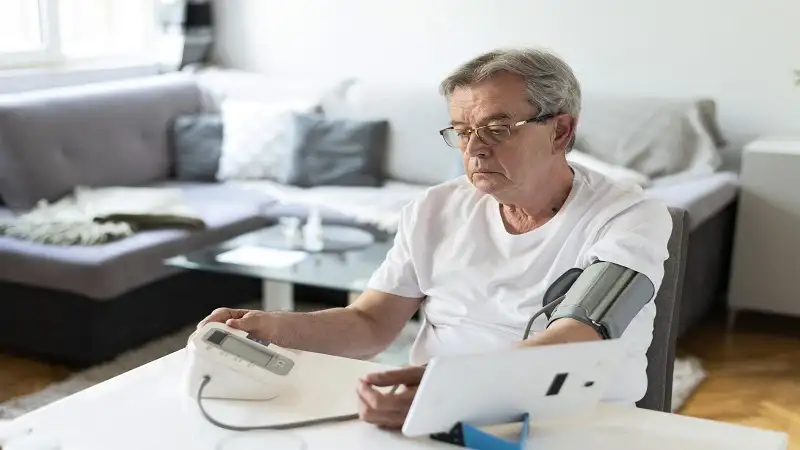
Increasingly, individuals are taking a more active role in their own health by tracking vital signs from home. Simple measurements—heart rate, temperature, respiratory rate—offer insights before symptoms become obvious. Among these tools, devices that measure oxygen saturation and pulse rate have become particularly relevant for people managing lung, heart or sleep‑related conditions.
Early Warning Before Symptoms
A drop in oxygen saturation may occur before a person notices breathlessness or fatigue. According to clinical sources, values below 92 % may signal an issue requiring further evaluation.
Regular monitoring can therefore allow earlier intervention.
Supporting Chronic Condition Management
For people with conditions like COPD, asthma, or heart failure, tracking oxygen saturation and heart rate helps gauge when treatment might need adjustment.
It also allows healthcare providers to interpret trends, not just isolated results.
Home Devices Supplement Clinical Tools
Devices that clip onto a fingertip, like a fingertip oximeter, offer non‑invasive readings and help bridge the gap between home monitoring and professional medical care.
That said, they are not a substitute for comprehensive clinical assessment.
Building Health‑Awareness Habits
Having a device at home encourages routine check‑ins and develops awareness of what’s normal for you. Over time, you’ll become more familiar with your baseline values and better able to notice changes.
Understanding Oxygen Saturation and Pulse Rate
Before relying on a home monitoring device, it’s useful to understand what the numbers mean and how to interpret them correctly.
What Is Oxygen Saturation (SpO₂)?
Oxygen saturation—or SpO₂—is the percentage of hemoglobin binding sites in the bloodstream occupied by oxygen.
In healthy individuals at sea level, typical readings range from 95% to 100%.
What’s a Normal Pulse Rate?
Pulse rate, commonly measured in beats per minute (bpm), indicates how often your heart is contracting to send oxygen‑rich blood through your body. A typical resting rate for healthy adults falls between 60 and 100 bpm, depending on fitness and age.
How the Device Works
A clip‑on device (a pulse oximeter) emits red and infrared light through tissue (usually a fingertip or earlobe). The sensor measures absorption differences between oxygenated and deoxygenated hemoglobin, calculating SpO₂ and often showing pulse rate.
Because it’s painless and non‑invasive, it’s suitable for repeated or home use.
Limitations and Accuracy Considerations
Although convenient, readings can be affected by factors like poor circulation, movement, nail polish, and skin pigmentation.
Also, home models are not a replacement for full arterial blood gas tests when clinical scenarios demand precision.
Using a Pulse Oximeter at Home: Best Practices
Making the most of home monitoring requires correct technique, interpretation, and knowing when to seek further medical assessment.
Prepare Your Environment
Ensure you’re seated comfortably and still. Remove nail polish, artificial nails or anything that might interfere with sensor readings. Warm your fingers if they’re cold—poor circulation can cause low or erratic readings.
Taking the Reading
Clip the device to the middle or index finger. Wait until the display stabilises (typically 10‑20 seconds). Record the SpO₂ value and pulse rate. If the rate fluctuates wildly or the device shows an error, reposition and retry.
Tracking Trends Over Time
Record your results in a log alongside any symptoms (e.g., shortness of breath, chest pain, fatigue). Look for patterns rather than fixating on a single reading. A downward trend can prompt a consultation.
Routine Monitoring Checklist
- Sit quietly for 5 minutes before measuring
- Use the same finger each time for consistency
- Record SpO₂, pulse rate, date/time and symptom notes
- Contact a provider if SpO₂ consistently falls below 92% or you feel unwell
When to Call a Healthcare Provider
If you experience a SpO₂ reading below 90–92%, or if you feel symptoms like chest tightness, confusion or dizziness, seek prompt medical attention. Device readings are useful but not infallible.
Integrating With Other Wellness Metrics
Use your oximeter results alongside other data such as activity level, sleep quality and medication adherence. This fuller picture helps your provider make meaningful decisions rather than relying on isolated numbers.
Device Features and What to Look For
When selecting a home monitoring device, you’ll want to balance reliability, ease of use and cost. A well‑chosen model can reduce frustration and support your monitoring routine.
Core Features of Quality Devices
Look for: a clear display, reliable battery life, a firm clip ensuring good connection, and clear SpO₂ and pulse readings. Models that store or transmit data may add value in longer‑term tracking.
Value of a Trusted Model
Using a recognised model designed for home use gives you confidence in build quality, sensor sensitivity and customer support. A good example is the veridian pulse oximeter, which can provide dependable performance in a home setting.
Accessories and Support Features
Consider devices with features like alarms for low readings, ability to log historical data, or compatibility with health apps. These add utility for users who monitor daily or have chronic conditions.
Maintenance and Care
Keep sensors clean, avoid dropping the device or exposing it to extreme temperatures, and replace batteries as required. Some models may need periodic recalibration or servicing.
Smart Purchase Questions
- What’s the device’s margin of error or accuracy specification?
- Can it handle low perfusion conditions (cold fingers, poor circulation)?
- Is there an easy‑to‑use screen with both SpO₂ and pulse readout?
- Does the manufacturer provide customer support or replacement sensors?
Beyond Monitoring: Supporting Your Health Holistically
Monitoring provides data—but action matters. The goal is to use readings to inform healthy habits, lifestyle adjustments and improved outcomes.
Lifestyle Factors That Influence Oxygen Levels
Moderate aerobic exercise strengthens lung and cardiac function. Avoiding smoking, maintaining healthy weight, and managing asthma or COPD likewise supports oxygen delivery. Elevation and altitude change should also be considered: readings may naturally be lower at high altitudes.
Using Monitoring as Motivation
Seeing improvements in baseline readings—or reduced fluctuations—can motivate you to persist with exercise, medication adherence or breathing‑technique training. It becomes a feedback loop that reinforces positive change.
Teaming With Professional Care
Home readings should not replace professional assessment. Share your logged values with your provider, especially if you’re managing lung disease, heart conditions or sleep apnea. Regular check‑ups and validated clinical tests complement home monitoring.
In summary, adding a reliable home device like the veridian pulse oximeter empowers you to monitor oxygen saturation and pulse rate with ease. While no tool replaces the judgement of a healthcare provider, using simple, repeatable practices and tracking trends over time can enhance your awareness, support informed discussions with your providers and help you stay proactive about your wellness.