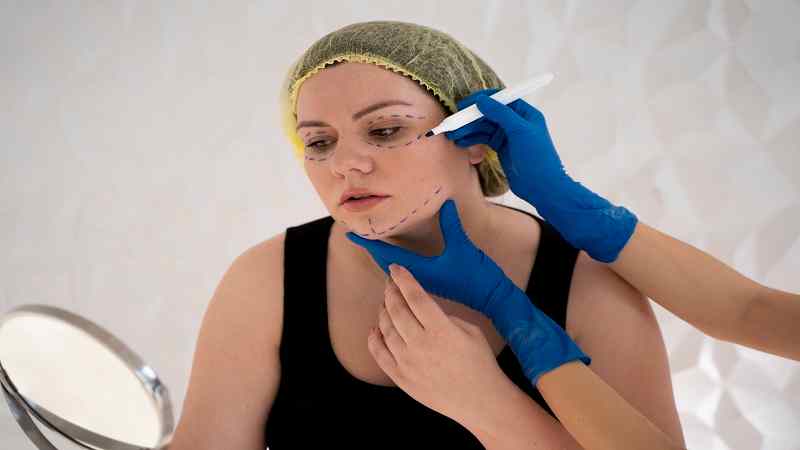
Restylane Defyne is a hyaluronic acid dermal filler designed for people who want visible facial support without a stiff, “overfilled” appearance. Its defining advantage is the ability to combine structural lift with flexibility, helping areas such as the cheeks, nasolabial folds, marionette lines, chin, and jawline look smoother while still moving naturally during speech and expression. The right treatment plan depends on your anatomy, skin quality, facial movement, and aesthetic goals, so a qualified medical injector should always assess your face in person before recommending treatment.
Facial rejuvenation is not about erasing every line or changing who you are. It is about restoring balance: softening shadows, rebuilding contours that have gradually flattened, and helping your reflection feel more aligned with the energy you still carry inside. For many patients, Restylane Defyne offers a refined middle ground between softness and support.
Understanding Restylane Defyne: When Structure and Flexibility Matter
Restylane Defyne is a gel-based injectable filler made with hyaluronic acid, a substance naturally present in the skin that attracts and retains water. It is commonly selected when the treatment area needs more than superficial smoothing and requires support that can remain adaptable during facial movement. This makes it particularly valuable for dynamic regions of the lower and mid-face, where the skin shifts constantly when you smile, laugh, talk, or purse your lips.
A successful filler result should not simply look good in a still photograph. It should continue to look balanced in motion, under different lighting, and from multiple angles. Restylane Defyne is designed to support this goal by giving experienced injectors a material that can provide contour while respecting the natural behavior of facial tissues.
What Is XpresHAn Technology and Why It’s Revolutionary
Restylane Defyne uses XpresHAn Technology, previously known as OBT technology, to create a hyaluronic acid gel with flexible cross-linking characteristics. In practical terms, this means the filler is engineered to move with the surrounding tissues rather than creating a rigid effect in areas that are naturally expressive. The result can be a softer transition between treated and untreated facial zones when the product is placed appropriately.
This technology is especially relevant for patients who worry that fillers may make them look frozen, puffy, or unlike themselves. Rather than chasing an exaggerated transformation, the focus is on restoring the face’s natural architecture while preserving familiar expressions. A skilled injector will consider not only where volume has been lost, but also how your face moves when you communicate, smile, and rest.
Rheology 101: Balancing Firmness with Natural Movement
Rheology describes how a filler behaves under pressure, including how firm, spreadable, cohesive, and flexible it is. These physical properties matter because every facial area has different demands: the cheeks may require projection, while folds around the mouth need support that still allows natural animation. Restylane Defyne is often chosen when a treatment plan calls for a balance between tissue support and dynamic movement.
No single filler is ideal for every person or every facial zone. Your injector may use one product for a deeper structural area and another for a more delicate, superficial concern, depending on the desired effect and local treatment regulations. This individualized approach can help avoid the “one filler for everything” mindset and instead create a result that looks measured, harmonious, and believable.
Key Treatment Areas in Facial Rejuvenation
Facial aging is rarely limited to one line or one hollow. As collagen, fat pads, bone support, and skin elasticity change over time, the face may begin to look less defined, more tired, or slightly downward-drawn. Strategic use of hyaluronic acid filler can address these shifts by supporting selected areas rather than simply filling every visible crease.
The best treatment areas are determined during an in-person assessment, not by copying a trend or a celebrity photo. Your injector should evaluate your face at rest and in motion, taking account of proportions, existing asymmetry, skin thickness, and previous aesthetic treatments. The aim is to make thoughtful adjustments that complement your own features.
Restoring Mid-Face Volume for a Youthful Contour
The mid-face plays a central role in how refreshed or fatigued the entire face appears. When cheek support diminishes, the transition from the lower eyelid to the cheek can look flatter, while folds around the nose and mouth may become more pronounced. Carefully placed filler may help restore gentle projection and improve the appearance of contour without creating excessively high or rounded cheeks.
Treatment in this area requires a precise understanding of facial anatomy and vascular safety. The goal is not to inflate the face, but to rebuild support in a way that respects your natural cheek shape and overall facial proportions. For some people, restoring the mid-face can also reduce the need to place excessive product directly into lower-face lines.
Softening Nasolabial and Marionette Lines
Nasolabial folds run from the sides of the nose toward the corners of the mouth, while marionette lines extend downward from the mouth toward the chin. These folds are normal parts of facial anatomy, yet they can become deeper as volume shifts and skin support changes. Restylane Defyne may be used to soften moderate to pronounced folds when it is appropriate for the patient’s anatomy and treatment plan.
A natural result does not mean making every fold disappear completely. Overfilling the lower face can make it look heavy or reduce the subtle movement that gives the face personality. A conservative approach may involve supporting nearby structures first, then treating the line itself only as needed for a smoother, more relaxed appearance.
Defining Jawline and Chin with Subtle Precision
A defined chin and jawline can bring visual balance to the profile, lower face, and neck area. Some patients seek sharper definition, while others simply want to address the impression of chin recession, jowling, or a less distinct lower-face contour. Depending on local product indications and clinical judgment, an injector may recommend Restylane Defyne as part of a carefully planned contouring strategy.
Subtlety is crucial in this region because even small changes can alter facial proportions. A well-designed plan considers the relationship between the chin, lips, nose, cheeks, and jawline rather than treating one area in isolation. When the treatment is tailored thoughtfully, the outcome can look polished and rested rather than obviously “done.”
The Restylane Defyne Treatment Journey
The treatment journey begins long before the first injection. It starts with a conversation about what you see in the mirror, what changes you have noticed over time, and what would make you feel more confident without losing your identity. Good aesthetic medicine is collaborative, which means your preferences should be heard while your clinician provides realistic guidance about what filler can and cannot achieve.
Most appointments are relatively efficient, but planning should never feel rushed. A responsible provider will discuss medical history, allergies, medications, previous filler treatments, and any upcoming events that could affect timing. You should leave the consultation understanding the expected benefits, possible risks, cost, maintenance needs, and alternatives.
Personalized Consultation: Mapping Your Unique Anatomy
During a personalized consultation, the injector examines facial shape, symmetry, volume distribution, skin condition, and movement patterns. They may assess your profile, ask you to smile or speak, and identify where structural support could create the most natural improvement. This facial mapping process is essential because two people with the same visible line may need completely different treatment approaches.
Be open about your aesthetic preferences, including whether you want a very subtle refresh or more noticeable contouring. It is also helpful to share photographs of yourself from earlier years, as these can sometimes reveal your natural facial structure before age-related volume changes became more apparent. A high-quality consultation should set realistic expectations, not promise perfection.
Injection Techniques to Maximize Comfort and Safety
Qualified injectors may use needles, cannulas, or a combination of both, depending on the treatment area and their clinical assessment. Topical numbing cream, ice, and products containing lidocaine may help improve comfort, although sensation varies from person to person. You may feel pressure, brief pinching, or a mild stinging sensation during placement, but treatment is generally manageable for many patients.
Safety depends heavily on anatomical knowledge, appropriate technique, sterile practice, and the ability to recognize and respond to complications quickly. Dermal filler injections carry rare but serious risks, including accidental injection into a blood vessel, which can cause tissue injury and may affect vision. Choose a licensed, trained medical professional who has emergency protocols and hyaluronidase available for dissolving hyaluronic acid filler when medically indicated.
Immediate Aftercare: What to Expect in the First 48 Hours
In the first 48 hours, mild swelling, tenderness, redness, itching, firmness, or bruising may occur around injection points. These effects are usually temporary, though the exact recovery experience depends on the area treated, the amount of product used, your individual physiology, and whether you bruise easily. Your injector may advise avoiding strenuous exercise, excessive heat, alcohol, and facial pressure for a short period after treatment.
Avoid massaging or manipulating the treated area unless your clinician specifically instructs you to do so. Contact your injector promptly if you experience increasing pain, unusual skin discoloration, blanching, a net-like purple pattern, significant warmth, visual changes, or symptoms that concern you. It is always better to ask early than to wait when something feels abnormal.
Safety Profile and Side Effect Management
Restylane Defyne has an established safety profile when used by appropriately trained professionals for suitable patients. However, “minimally invasive” does not mean risk-free, and every person considering dermal fillers deserves transparent information before making a decision. Your medical history, previous reactions, treatment area, and injection technique all influence safety.
Choosing a reputable provider is one of the most meaningful steps you can take to reduce avoidable risks. Do not rely solely on low prices, promotional offers, or social media popularity when selecting an injector. Look for medical qualifications, relevant experience, clear consent practices, and a clinic that prioritizes follow-up care.
Common Reactions and Proactive Soothing Strategies
Common short-term reactions include swelling, bruising, redness, tenderness, itching, firmness, and temporary asymmetry while the product settles. Cool compresses may be recommended to reduce discomfort and swelling, provided they are used gently and according to your clinician’s instructions. Some patients schedule treatment at least two weeks before a major event to allow enough time for bruising or swelling to resolve.
To minimize bruising risk, your provider may review medications and supplements that can affect bleeding or clotting. Never stop prescribed medication without consulting the clinician who manages it. Follow all aftercare instructions closely, and remember that final results may take time to settle as early swelling decreases.
Contraindications: Who Should Pause on Treatment
Dermal filler treatment may need to be postponed if you are pregnant or breastfeeding, have an active skin infection, active inflammation, an open wound, or a current dental infection near the planned area. People with certain autoimmune conditions, severe allergies, bleeding disorders, a history of hypertrophic scarring, or previous filler complications may require additional medical assessment. Your injector should also know about prior permanent fillers, facial implants, recent procedures, and all medications or supplements you take.
If you have a history of cold sores and treatment is planned near the lips or mouth, tell your clinician before the appointment. They may consider preventative antiviral medication when appropriate. Pausing treatment is not a failure; it is a safety-focused decision that protects your health and gives you the best chance of a positive outcome later.
Restylane Defyne vs. Other Hyaluronic Fillers
Comparing fillers is not simply a matter of deciding which one is “best.” Different hyaluronic acid fillers vary in firmness, spreadability, cohesivity, lifting capacity, and flexibility, so the ideal choice depends on the facial area and the result you want to achieve. An experienced injector selects a product based on the treatment objective rather than brand familiarity alone.
Restylane Defyne may be a strong option when movement and support both matter. However, another filler may be better suited to a very superficial line, lip enhancement, deep cheek augmentation, or a highly structured contouring goal. Your treatment should be based on anatomy and safety, not on a one-size-fits-all product recommendation.
Flexibility vs. Firmness: Matching Your Aesthetic Goals
If your main concern is maintaining expression around the mouth while softening deeper folds, a flexible filler may be particularly appealing. If you are seeking pronounced projection in a structural area, your provider may choose a product with different rheological properties. The decision is nuanced, because facial zones often require varying levels of support and mobility.
Think about how you want your results to feel in daily life. Do you want a gentle refresh that remains almost invisible, or do you prefer more sculpted definition in your profile and lower face? Sharing these priorities helps your injector create a plan that aligns product selection with your vision.
Longevity, Cost and Patient Satisfaction Compared
The longevity of Restylane Defyne varies, but results may last many months and, for some indications and patients, up to around a year or longer. Metabolism, treatment area, injection technique, amount used, lifestyle, and individual tissue characteristics can all affect how long the result remains visible. No provider can guarantee an exact duration for every person.
Cost should be discussed openly before treatment and may be calculated by syringe, treatment area, or personalized plan. The lowest price is not necessarily the best value if expertise, product authenticity, safety standards, or follow-up support are compromised. Patient satisfaction is usually highest when expectations are realistic and the outcome is balanced rather than excessive.
Maximizing and Maintaining Your Results
Filler treatment can create a meaningful improvement, but maintaining healthy skin and a stable lifestyle helps your overall facial appearance remain fresher for longer. Hyaluronic acid filler works beneath the skin, while skincare protects the surface and supports skin quality. Together, these approaches can create a more complete and polished rejuvenation strategy.
Maintenance should be gradual and intentional. Instead of waiting until all results have faded and then seeking a large correction, some patients prefer periodic review appointments to assess whether a small touch-up is appropriate. Your injector can recommend a timeline based on how your face changes over time, not just on a fixed calendar schedule.
Skincare Rituals to Enhance Filler Longevity
A gentle, consistent skincare routine can support skin hydration, barrier function, and protection from environmental stress. Daily broad-spectrum sunscreen is particularly important because ultraviolet exposure accelerates collagen breakdown and contributes to uneven texture, pigmentation, and visible aging. Consider using products recommended for your skin type, such as a mild cleanser, moisturizer, antioxidant serum, and carefully introduced retinoid if medically appropriate.
Avoid aggressive facials, strong exfoliation, or energy-based treatments immediately after filler unless your injector confirms that they are safe for your situation. Timing matters when combining procedures, as some treatments may create swelling or place pressure on recently injected areas. Always tell skincare professionals and other clinicians that you have had filler before receiving facial treatments.
Lifestyle Tips and Touch-Up Timeline
Hydration, balanced nutrition, regular sleep, stress management, and avoiding smoking can all contribute to healthier-looking skin and more stable facial aging over time. While these habits cannot stop the natural aging process, they can influence skin quality and help you feel better in your appearance. Protecting your skin from sun exposure remains one of the most practical long-term habits you can adopt.
Your touch-up timeline should be individualized, but many patients return for reassessment somewhere between six and twelve months after treatment. Some may need less frequent maintenance, while others choose earlier refinement based on metabolism and aesthetic preferences. Do not schedule repeat filler solely because a date has arrived; schedule it because a trained professional confirms that it serves your goals.
Is Restylane Defyne Right for You?
Restylane Defyne may be appropriate if you want to soften deeper folds, restore selected facial support, or enhance contours while preserving a natural range of expression. The best candidates are generally healthy adults with realistic expectations who understand that filler improves specific concerns but does not replace surgery, skin tightening, or a comprehensive skincare plan when those options are more suitable. A professional consultation is the only reliable way to determine whether this treatment matches your needs.
Your age alone does not determine whether filler is right for you. Some younger patients seek profile balancing or early contour refinement, while older patients may focus on volume restoration and facial support. What matters most is the quality of your skin, the pattern of volume change, your anatomy, and the result you hope to see.
Age, Skin Type and Desired Outcomes Checklist
Before booking treatment, reflect honestly on your goals and readiness. The following checklist can help you prepare for a more productive consultation:
- You want enhancement or restoration rather than a completely different face.
- You understand that temporary swelling and bruising can occur.
- You can share a full medical history and follow aftercare instructions.
- You are willing to choose a qualified medical injector over the cheapest available option.
- You accept that results are temporary and may require maintenance.
- You are open to hearing whether another treatment would better address your concern.
Skin type, thickness, elasticity, and the degree of tissue laxity affect what filler can realistically accomplish. If skin laxity is significant, filler alone may not create the lifted effect you imagine and could potentially add unwanted heaviness. A trustworthy clinician will explain these limits clearly and may recommend alternatives or combination approaches when appropriate.
You do not need to choose between a face that looks supported and a face that still feels alive. With the right assessment, careful placement, and an injector who understands dynamic facial anatomy, Restylane Defyne can help soften signs of aging while preserving the expressions that make you recognizable. The most beautiful result is rarely the most dramatic one; it is the one that helps you feel comfortable, confident, and authentically yourself.
Take time to choose a clinic where your questions are welcomed and your safety is treated as essential. A high-quality consultation should leave you feeling informed rather than pressured. When you understand your options, you can make a decision that feels calm, confident, and right for your face.