
Loud snoring, morning headaches, and feeling exhausted no matter how long you slept aren’t things to just live with — they’re signs worth checking. An at-home sleep apnea test gives you a real answer within a night or two, without a hospital visit or a year-long waitlist.
Signs You Shouldn’t Ignore
A lot of people brush off symptoms because they’ve had them for years and just assume it’s how they are. That’s usually a mistake. Watch for:
- Loud, chronic snoring, especially if a partner says you gasp or stop breathing
- Waking up gasping or choking during the night
- Morning headaches that fade within an hour of waking
- Daytime exhaustion despite getting 7-8 hours of sleep
- Trouble concentrating or unexplained mood changes
- High blood pressure without a clear cause
Any one of these alone isn’t necessarily proof of sleep apnea, but two or three together is a reasonable trigger to get checked rather than wait it out.
Why Waiting Isn’t a Neutral Choice
Untreated sleep apnea does more than wreck your sleep quality. Each pause in breathing drops your blood oxygen level, and repeated drops over months or years put real strain on your heart and brain. The condition has documented links to type 2 diabetes, elevated stroke risk, and heart attacks. This isn’t a minor inconvenience dressed up as something scarier than it is.
That’s part of why a same-night AHI reading — the apnea-hypopnea index, which counts breathing interruptions per hour — matters so much. It’s the number that turns “I think something’s wrong” into an actual diagnosis with a severity level attached: mild, moderate, or severe.
What Actually Happens During the Test
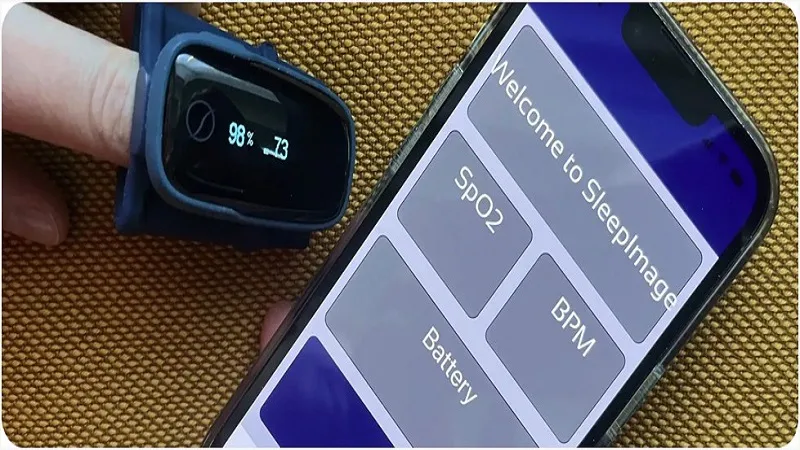
Forget the image of a hospital room full of wires. Getting an at-home sleep apnea test means a small sensor, usually worn on a finger, tracks heart rate, blood oxygen, respiratory patterns, and total sleep time through the night. The underlying technology, called photoplethysmography, has been refined for close to three decades and is FDA-approved for exactly this purpose.
The device pairs with an app on your phone, so setup takes a few minutes before bed. You wear it overnight, including if you get up to use the bathroom, then either sync the data or ship the device back depending on which test your provider uses.
The Steps From Booking to Results
- A telemedicine consultation with a sleep specialist to review your symptoms and history
- The test device ships to your home, usually arriving within three business days
- You take the test for one night, following the setup instructions
- Your provider scores and interprets the results
- A follow-up visit, roughly two weeks after your first appointment, to go over what the numbers mean
What This Costs You
Coverage depends heavily on your specific insurance plan, so a quick call to confirm benefits saves you from guessing. One detail worth knowing ahead of time: insurers generally require this exact kind of FDA-approved, provider-administered test before they’ll authorize any treatment afterward, whether that’s an oral appliance or CPAP.
For self-pay patients, rates commonly land in the low $200s, with a separate shipping fee — usually under $20 — for getting the device to your door. Some people can apply an FSA or HSA account toward that shipping cost since it typically isn’t covered by insurance itself.
Don’t Sit on the Device Once It Arrives
Providers usually attach a time limit to how long you can wait before using the test, often around 30 days from when it ships. Let it sit too long and the pre-authorization can lapse, sometimes triggering a separate fee. If you’ve already gone through the effort of scheduling a consult and requesting the device, use it the first realistic night rather than pushing it off another week.
Is a Single Night of Data Reliable?
Generally, yes. Most providers only need one night to calculate an accurate AHI score, though the device can record multiple nights if your specialist wants a fuller picture. There’s a decent body of research behind this by now, and it consistently shows home testing holds up well against — and in some cases outperforms — a single night spent in an unfamiliar sleep lab bed.
Booking an at-home sleep apnea test is a lower barrier than most people assume, and it’s often the step that’s been quietly missing between “I think something’s off” and actually knowing what you’re dealing with. If cost or insurance is what’s holding you back, ask about the self-pay rate before ruling it out entirely.
Questions People Usually Ask
Can I take an at-home sleep apnea test without a doctor’s referral? It’s typically done through a telemedicine consultation with a sleep specialist first, since a provider needs to review your symptoms before the test ships and before insurance will authorize coverage.
What if my results come back normal but I still feel exhausted? Sleep apnea isn’t the only cause of chronic fatigue. Your provider can help rule out other explanations or recommend a different type of evaluation if the initial test doesn’t explain your symptoms.
Is the test uncomfortable to wear overnight? Most people barely notice it after the first few minutes. It’s a small sensor worn on the finger or wrist, nothing close to the wired setup used in traditional sleep labs.
How soon can I get treatment after a positive result? Timelines vary by insurance and treatment choice, but the process from diagnosis to receiving an oral appliance, for example, can take as little as two weeks or up to a few months for certain insurers.
Does snoring alone mean I have sleep apnea? Not necessarily. Snoring is common and doesn’t always indicate a breathing disorder, but combined with gasping, choking, or daytime exhaustion, it’s a strong enough signal to justify getting tested.