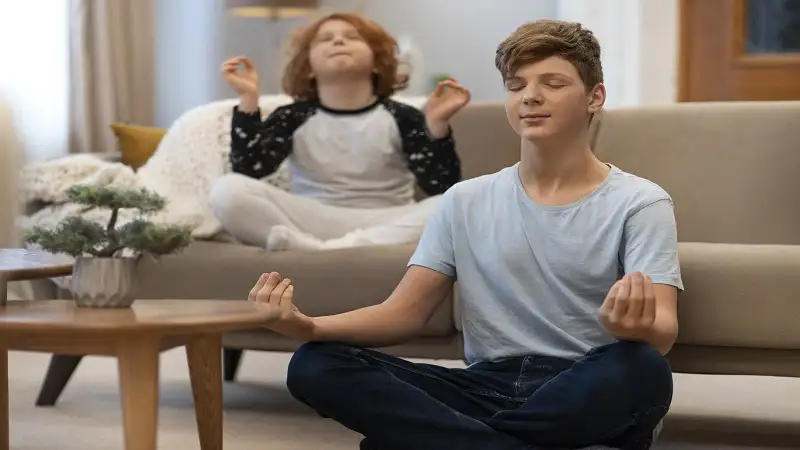
In today’s fast-paced and digitally driven world, anxiety has become a common challenge for both teens and adults. Academic pressure, career demands, social expectations, and constant online engagement can all contribute to feelings of stress and overwhelm. While therapy, meditation, and medication are often discussed as coping tools, one of the most effective and accessible ways to reduce anxiety is through movement-based hobbies. Activities that involve physical motion not only improve physical health but also support emotional well-being in powerful ways.
From dancing and cycling to yoga and sports, movement-based hobbies create a natural outlet for tension. They offer a break from daily stressors, help regulate emotions, and provide a sense of purpose and accomplishment. Whether someone chooses to jog in the morning, practice martial arts, or learn to skate, engaging the body can significantly calm the mind and promote lasting mental balance.
The Science Behind Movement and Anxiety Relief
When the body moves, the brain responds. Physical activity triggers the release of endorphins, often called “feel-good” hormones. These natural chemicals reduce pain perception and create a sense of happiness and relaxation. Movement also lowers cortisol levels, which are directly linked to stress and anxiety.
For teens dealing with academic pressure or social challenges, movement offers a healthy outlet to release built-up tension. For adults juggling responsibilities and expectations, physical hobbies provide a structured way to reset mentally. Even moderate activity can lead to noticeable improvements in mood, sleep quality, and focus.
Additionally, movement-based hobbies stimulate the production of serotonin and dopamine, two neurotransmitters associated with emotional stability and motivation. Over time, regular participation in physical activities can help regulate mood patterns and reduce the intensity of anxious thoughts.
A Break from Overthinking
Anxiety often thrives in stillness, especially when the mind is left alone to overanalyze situations. Movement disrupts this pattern by shifting attention from thoughts to action. When a person is engaged in a physical hobby, their focus naturally turns to balance, rhythm, coordination, and performance.
This mental shift can be incredibly helpful for teens who struggle with self-doubt or social anxiety. It allows them to temporarily step away from negative thinking patterns and become present in the moment. Adults experience a similar benefit when they dedicate time to a physical hobby after a stressful day at work.
Activities that require learning new skills are particularly effective. For example, when someone chooses to learn to skate, their attention centers on balance, movement, and progress rather than stress or worry. This immersive experience creates a mental break that promotes calmness and confidence.
Building Confidence Through Progress
One of the key reasons movement-based hobbies help reduce anxiety is the sense of achievement they provide. Anxiety often makes people feel stuck or powerless. Physical hobbies offer clear, visible progress, which builds confidence over time.
Teens benefit greatly from this sense of accomplishment. Mastering a new skill, improving performance, or simply staying consistent with a hobby can boost self-esteem. When they see their abilities grow, they begin to trust themselves more, which helps reduce social and performance-related anxiety.
Adults also gain confidence from movement-based hobbies. Achieving small goals—like running a little longer, holding a yoga pose, or improving coordination—can create a sense of control and positivity. These small wins carry over into other areas of life, making challenges feel more manageable.
Social Connection and Emotional Support
Many movement-based hobbies offer opportunities for social interaction, which plays a major role in reducing anxiety. Group activities such as dance classes, team sports, or fitness sessions allow people to connect with others who share similar interests.
For teens, this can be especially valuable. Social anxiety often makes it difficult to initiate conversations or form friendships. Being part of a group activity removes pressure because interaction happens naturally while focusing on the activity itself. Friendships formed through shared experiences often feel more genuine and supportive.
Adults also benefit from social engagement through physical hobbies. Whether joining a walking group or participating in recreational sports, these environments create a sense of belonging. Feeling connected to others helps reduce loneliness, which is often linked to anxiety.
Improved Sleep and Energy Levels
Poor sleep is both a cause and a symptom of anxiety. Movement-based hobbies help regulate sleep patterns by using up physical energy and reducing mental tension. People who stay active during the day often fall asleep faster and experience deeper, more restful sleep.
For teens, better sleep can improve concentration, mood, and academic performance. For adults, it can lead to increased productivity and emotional stability. Even light activities like stretching, walking, or cycling can make a noticeable difference in sleep quality.
Regular movement also boosts overall energy levels. Instead of feeling drained and stressed, individuals feel more alert and capable of handling daily responsibilities. This sense of vitality helps reduce the heaviness that often accompanies anxiety.
A Healthy Coping Mechanism
Many people cope with anxiety in ways that may not be beneficial in the long run, such as excessive screen time, emotional eating, or isolation. Movement-based hobbies offer a healthier alternative. They provide a constructive way to release frustration, anger, or nervous energy.
Teens, in particular, benefit from having a positive outlet for their emotions. Physical activities allow them to express themselves without needing to put feelings into words. Adults can use movement as a way to decompress after a stressful day, helping them avoid burnout.
When movement becomes a regular habit, it creates a reliable coping tool. Over time, the brain begins to associate physical activity with relaxation and emotional relief, making it easier to manage stress naturally.
Encouraging Mindfulness Through Movement
Certain hobbies, such as yoga, swimming, and balance-based activities, encourage mindfulness. They require concentration and awareness of the body’s movements, breathing patterns, and posture. This type of focus brings attention to the present moment and reduces racing thoughts.
Mindfulness is known to be one of the most effective techniques for managing anxiety. Movement-based hobbies offer a practical and enjoyable way to practice it without the pressure of sitting still or meditating for long periods.
Even activities that seem simple can create a calming effect. The repetitive motion of walking, the rhythm of cycling, or the balance required in skating can all help quiet the mind and promote relaxation.
Creating Routine and Structure
Anxiety often increases when life feels unpredictable or unstructured. Movement-based hobbies help create a sense of routine. Having a regular time set aside for physical activity gives people something to look forward to and builds consistency.
For teens, this structure can be especially helpful during school years filled with changing schedules and expectations. Adults also benefit from having a dedicated activity that breaks up the monotony of daily responsibilities.
This sense of routine provides stability, which helps reduce feelings of uncertainty and worry. Over time, the hobby becomes a reliable part of life that supports both physical and mental health.
Long-Term Mental Health Benefits
The benefits of movement-based hobbies extend far beyond immediate stress relief. Regular physical activity has been linked to lower rates of anxiety disorders and depression over time. It strengthens resilience, improves emotional regulation, and supports overall well-being.
When teens develop active hobbies early in life, they are more likely to carry these habits into adulthood. This creates a strong foundation for managing stress in a healthy way. Adults who begin movement-based hobbies later in life can still experience significant improvements in mood, confidence, and mental clarity.
The key is consistency. Even small amounts of movement practiced regularly can create lasting positive changes.
Movement-based hobbies offer a powerful, natural way to reduce anxiety for both teens and adults. They provide physical release, mental clarity, emotional balance, and social connection. In a world filled with constant pressure and distractions, taking time to move the body can be one of the simplest and most effective ways to calm the mind.
Whether it’s dancing, cycling, practicing yoga, or engaging in skill-based activities, the act of moving creates space for healing and growth. By making movement a regular part of life, individuals can build resilience, improve confidence, and develop healthier ways to cope with everyday stress. Over time, these small, active choices can lead to a more balanced, peaceful, and fulfilling life.