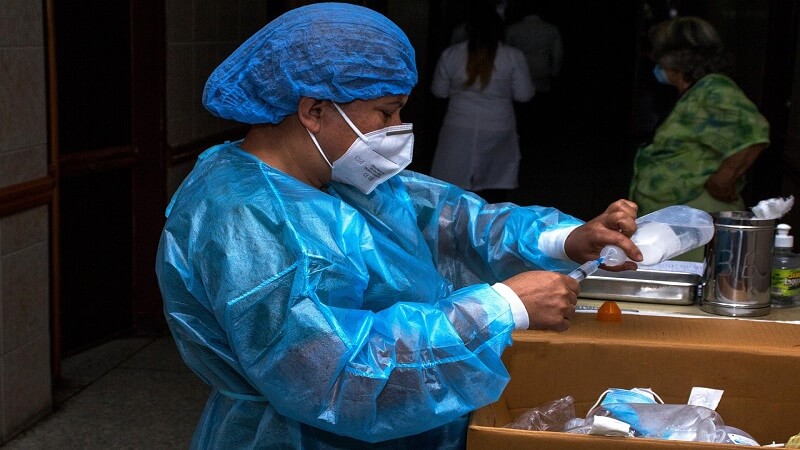
Primary care continues to shift toward models that depend on strong clinical judgement, proactive communication and a clear understanding of patient needs. Nurses sit at the center of this evolution. Their ability to adapt has a direct impact on outcomes, especially in settings where demand rises faster than staffing levels.
Many nurses sharpen their assessment skills, refine how they interact with patients and adopt new technologies that support timely decisions. Others pursue advanced roles to contribute at a broader level. These adaptations shape safer, more reliable care experiences that help patients stay healthier for longer. The following sections explore practical ways nurses can position themselves to strengthen primary care performance.
Expanding Clinical Judgement for Rapid Care Decisions
Primary care teams rely on nurses who can spot subtle changes before they grow into larger problems. Accurate assessment forms the foundation of early intervention, and nurses improve outcomes when they build confidence in clinical reasoning. Small enhancements matter.
Decision-support tools offer helpful reinforcement. Many digital platforms identify patterns that align with clinical guidelines, which gives nurses another layer of clarity during busy shifts. These tools do not replace clinical understanding. They work best when nurses already have a strong grasp of how conditions present across different ages and risk groups.
Advancing Qualifications to Address Community Needs
Communities face shifting health priorities, and primary care settings increasingly rely on nurses who can adapt and respond to these evolving demands. Advancing clinical qualifications allows nurses to take on expanded responsibilities, strengthening their ability to contribute to diagnosis, treatment planning, and long-term patient guidance. For many, the move toward advanced practice reflects a growing commitment to comprehensive, community-centered care.
Experienced nurses often pursue a family nurse practitioner degree program as a natural progression of this professional growth. The program provides deeper clinical preparation and equips nurses to deliver care with greater autonomy, leadership, and impact. By aligning advanced education with real-world community needs, this pathway enables nurses to address both individual patient concerns and broader population health challenges more effectively.
Strengthening Patient Communication for Better Engagement
Patient outcomes improve when communication feels clear, thoughtful and consistent. Many patients struggle to explain symptoms or understand instructions during stressful visits. Nurses help reduce this confusion through steady, patient-focused dialogue that encourages questions without creating pressure.
Motivational interviewing brings structure to these conversations. This technique allows nurses to understand the personal factors influencing a patient’s decisions. Gentle prompts encourage reflection, which leads patients to identify obstacles in their own words. Strong communication habits also support smoother care transitions. Patients who understand follow-up plans and medication guidance tend to manage their health with more confidence, which reduces avoidable complications.
Using Data Competence to Support Preventive Care
Digital records give nurses a more complete view of patient health trends. Data skills help nurses move past basic documentation and into active pattern recognition. Clear insight into historical labs, screening schedules and symptom changes supports proactive decision-making.
Analytics tools highlight gaps that might delay preventive services. When nurses recognize overdue screenings, inconsistent follow-ups or rising risk indicators, they help steer patients toward earlier intervention. Practical data competence elevates preventive care by making it easier to spot needs at the right moment. This creates a more organized, forward-looking approach to patient management.
Enhancing Coordination Within Interdisciplinary Teams
Primary care works best when every member of the team communicates consistently. Nurses often hold the connecting role that brings together physicians, specialists, social workers and caregivers. Strong coordination reduces confusion for patients who move between services.
Clear updates, shared plans and timely follow-through help everyone stay aligned. Many care delays occur when information spreads unevenly. Nurses improve workflow when they relay details with accuracy and anticipate what teammates might need next. Effective coordination shapes a more unified care experience and lowers the chance of unnecessary repeat visits or miscommunication.
Supporting Chronic Disease Management Through Coaching Skills
Chronic conditions place long-term demands on patients, and many feel overwhelmed by the lifestyle adjustments required to stay stable. Nurses guide patients through this process with steady encouragement and practical instruction. Coaching skills help translate complex treatment plans into steps patients can manage without frustration. Conversations often focus on routines, daily habits and early signs that need attention.
Small improvements create meaningful progress over time. Patients respond well when nurses help them set achievable goals and understand why certain choices influence their condition. This approach keeps patients engaged and builds trust in the care process.
Adopting Flexible Care Delivery Models
Primary care continues to expand beyond traditional office visits. Clinics now balance telehealth appointments, walk-in encounters and community outreach programs. Nurses who adapt to these environments support greater access for patients who struggle with scheduling or transportation barriers. Flexibility also helps practices meet rising demand without sacrificing quality.
Virtual visits illustrate this shift clearly. Many patients appreciate faster check-ins and convenient follow-up discussions. Nurses who navigate digital communication tools with ease create a smoother experience and gather accurate information even without in-person interaction.
Developing Leadership Capacity to Elevate Care Standards
Leadership plays an essential role in shaping strong primary care systems. Nurses who build leadership capacity influence both patient outcomes and team culture. Confident leaders guide decisions during busy periods, mentor newer staff and help refine processes that support safer practice.
Leadership also involves speaking up about workflow challenges or policy changes that affect patient care. Nurses who participate in these discussions contribute perspectives grounded in daily realities. Their insight helps teams create more practical solutions and maintain high standards.
Primary care grows stronger when nurses adapt with intention and clarity. Their influence touches every part of the patient journey, from the first assessment to long-term disease management. Enhanced clinical judgement, advanced education, effective communication skills, data awareness and strong coordination shape a more responsive and patient-centered system.
Coaching strategies, flexible care delivery and emerging leadership further reinforce this progress. These efforts create a primary care environment that supports healthier communities and prepares nurses for the evolving demands of modern practice.