
Background
Most people assume that the air inside their homes is naturally cleaner than the air outside, simply because walls and windows create a barrier. That assumption feels intuitive, and for decades it went largely unquestioned. Indoor air, however, often carries higher concentrations of pollutants than outdoor air, including dust, pet dander, mold spores, and volatile compounds released by furniture and cleaning products. Homes sealed tighter for energy efficiency trap these particles rather than let them disperse. The result is an environment where allergens accumulate quietly, often without any obvious sign that something is wrong.
This gap between perception and reality matters because allergy sufferers spend the majority of their time indoors, at home, at work, or in classrooms. Health researchers have spent years studying how enclosed spaces affect respiratory symptoms, sleep quality, and even long-term lung function. Early studies focused mostly on industrial exposure, but attention has since shifted toward ordinary residential settings. That shift also brought new attention to vulnerable groups, including children and older adults, who often show symptoms earlier than other household members. What emerged from that shift was a clearer picture of how everyday indoor habits shape air quality more than most homeowners realize.
What the Research Shows
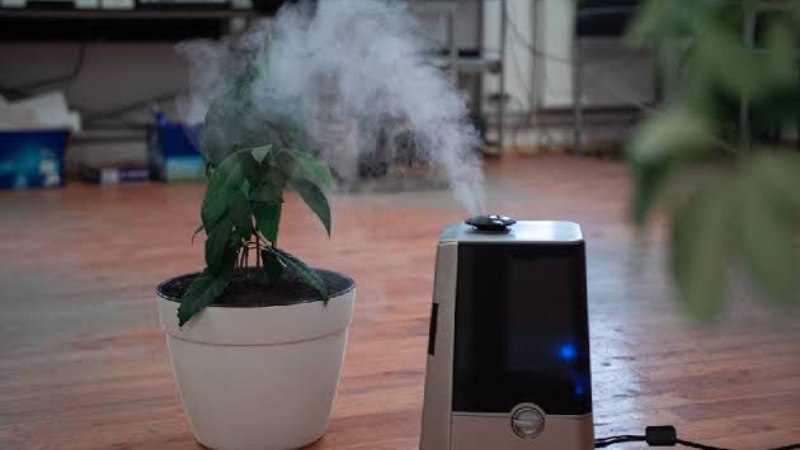
Investigations into indoor allergen levels have produced consistent findings across different climates and housing types. Homes with pets, carpeting, or poor ventilation tend to show elevated concentrations of allergenic particles regardless of how frequently residents clean. Researchers have also noted that humidity levels play a significant role, since higher moisture encourages dust mites and mold growth. Even newer construction, designed with tighter seals for insulation, does not automatically solve this problem. These findings help explain why allergy symptoms often persist even in homes that appear spotless.
Studies examining filtration devices have shown that reducing airborne particle counts can ease symptoms for many allergy sufferers, particularly when paired with regular cleaning and humidity control. Reviews comparing device types have found that air purifiers that help with allergies tend to perform well in controlled testing, especially models rated for capturing fine particulates like pollen and pet dander. Effectiveness varies with room size, filter quality, and how consistently a unit is used, which is why researchers caution against expecting a single device to solve every issue. Still, the data points toward filtration as one of the more reliable tools available to households managing chronic allergy symptoms.
Beyond filtration, researchers have examined behavioral factors such as ventilation habits and cleaning frequency, finding that these choices interact with any device a household uses. A purifier running in a room with poor airflow, for instance, may perform below its rated capacity. Some studies also highlight seasonal variation, noting that pollen counts and heating system use both shift indoor air composition throughout the year. Taken together, this research suggests that indoor air management works best as a combination of habits and equipment rather than a single fix.
Practical Takeaways
Translating this research into daily practice starts with basic awareness of where allergens accumulate. Bedding, carpets, and upholstered furniture tend to hold onto dust and pet dander longer than hard surfaces, so regular washing and vacuuming make a measurable difference over time. Keeping humidity between thirty and fifty percent can also limit dust mite and mold growth without requiring specialized equipment. Small adjustments like these, made consistently, tend to matter more than occasional deep cleaning sessions.
Households looking for more structured guidance can consult EPA indoor air quality resources, which outlines ventilation standards, pollutant sources, and practical steps for improving air quality room by room. These resources are especially useful for renters or homeowners unsure where to start, since they break down complex building science into manageable actions. Pairing that guidance with routine maintenance, such as changing filters and monitoring humidity, gives most households a workable framework without requiring major renovations.
None of this requires perfection, and allergy management tends to improve gradually rather than overnight. Tracking symptoms alongside changes in cleaning routines or humidity levels can help identify which adjustments actually help a particular household. Patience matters here, since indoor air quality issues often took months or years to develop and rarely resolve in a single afternoon of cleaning. For many families, consistent small habits end up mattering more than any single product or intervention.